
Short answer: a scalp care routine for hair growth comes down to four habits. Wash often enough that oil, sweat and product do not pile up. Massage the scalp gently while you wash. Treat flaking, itching or tenderness instead of covering it up. And protect the hair you already have from breakage and traction. None of this makes a follicle grow hair faster than your genetics allow, but it removes the things that hold hair back, and it gives any treatment you add a healthier place to work.
Free: the Fuller-Looking Hair Cheat Sheet
The right cut for your hair type, a 5-minute volume blowout, a weekly routine that stops breakage and a 90-day tracker.
Free. You will also get a few short emails with tips and offers. Unsubscribe anytime. Privacy policy.
What scalp care can and cannot do
Scalp hair grows about a centimeter a month on average, which is roughly half an inch. Each strand spends years in a growth phase, then rests for about three months, then sheds and is replaced. Losing somewhere around 50 to 100 hairs a day is normal. Genes, hormones, iron and other nutrient levels, medications, illness and stress set the pace far more than any shampoo does.
That is worth knowing before you spend money. No oil, massage tool or serum has been shown to speed up the growth rate of healthy follicles. What good scalp care can do is reduce inflammation and flaking, keep the skin comfortable so you are not scratching and breaking hairs, and help you hold on to length that would otherwise snap off. For true thinning, the treatments with the best evidence are medical ones, and we cover them below.
Spend about a minute massaging your scalp with the pads of your fingers every time you shampoo. Small studies suggest regular scalp massage may thicken hair slightly over several months, and it is free and relaxing. Treat it as a pleasant habit that may help, not a proven cure for hair loss.
Start by working out what your scalp is doing
Scalp products work best when they match the problem. Look at your scalp in good light and use this as a rough guide.
| What you notice | Likely cause | What helps |
|---|---|---|
| Greasy roots within a day, no flakes | Active oil glands | Wash every day or every other day with a gentle shampoo; skip heavy pre-wash oils |
| Small white dry flakes, tight feeling | Dry skin on the scalp | Gentler shampoo, less hot water, a light moisturizing scalp product |
| Yellowish, greasy flakes with redness or itch | Seborrheic dermatitis, often tied to yeast on the skin | Medicated shampoo with ketoconazole, zinc pyrithione or selenium sulfide |
| Thick silvery scale in patches, sometimes past the hairline | Possible scalp psoriasis | See a doctor or dermatologist for a diagnosis |
| Burning, tenderness, bumps or pus | Folliculitis or irritation | Stop new products; see a clinician if it lasts more than a week or two |
The routine, step by step
Step 1: Decide whether a pre-wash oil is right for you
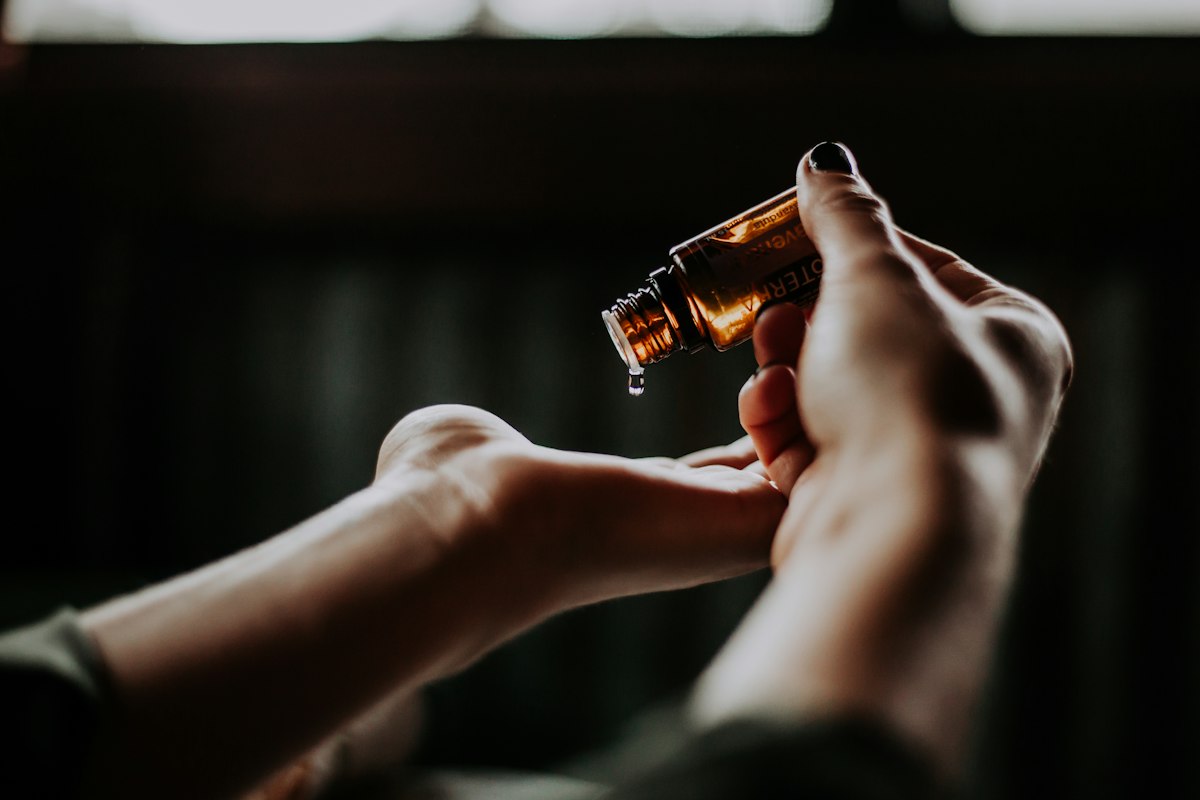
A few drops of a light oil such as jojoba or argan, massaged in 20 to 30 minutes before washing, can soften buildup and make shampooing feel gentler. There is little hard evidence that oiling the scalp grows hair. If your scalp flakes or gets itchy, skip it: some oils can feed the yeast that is involved in dandruff and seborrheic dermatitis. Patch test any new oil on your inner arm for a day first, use a small amount, and shampoo it out fully. Leaving heavy oil on overnight tends to cause buildup and clogged follicles.
Step 2: Wash on a schedule that fits your scalp
| Hair and scalp type | Starting point for washing |
|---|---|
| Fine or straight hair, oily scalp | Every day or every second day |
| Wavy or medium-thick hair, normal scalp | Two to three times a week |
| Very curly or coily hair, dry scalp | Every one to two weeks, with a scalp-focused cleanse and a moisturizing conditioner |
| Flaking or seborrheic dermatitis | Medicated shampoo as directed on the label, often two to three times a week |
Adjust from there. If your scalp itches or smells by day three, wash more often. If it feels tight and squeaky, wash less. Water that is warm rather than hot is kinder to scalp skin.
Step 3: Shampoo the scalp, not the lengths
Put shampoo in your palms, add a little water, and work it onto the scalp only. The suds that rinse down are enough to clean the lengths. Use your fingertips, never your nails, in small circles across the front, sides, crown and nape. Take about a minute. Aggressive scrubbing and scratching can cause tiny injuries and shed hairs that are still attached. If you use a medicated shampoo, leave it on for the time the label gives, usually three to five minutes, before rinsing.
Step 4: Condition and mask the lengths
Conditioner and masks are for the mid-lengths and ends, which are the oldest and most worn part of the hair. Keep them off the scalp unless the product says otherwise, because rich formulas can leave roots flat and greasy. Whether you apply a mask to dry or damp hair is a matter of preference. Some people find a mask sits better on dry hair, others like it on towel-dried hair. Either way, leave it on for the time stated and rinse well.
Step 5: Finish cool, then dry gently
A cooler final rinse feels refreshing and makes hot-water irritation less likely. The idea that it seals the cuticle for lasting shine is popular, but the effect is small. Pat hair with a soft towel or old cotton tee instead of rubbing, comb with a wide-tooth comb from the ends upward, and use a leave-in product on damp mid-lengths and ends only. Let hair air dry most of the time, and keep a heat tool on a lower setting with a heat protectant when you do use one.
Weekly and monthly extras
Clarifying wash. Once every two to four weeks, a clarifying shampoo helps if you use a lot of styling products, dry shampoo or silicone-heavy conditioners. People with very dry or coily hair may need it less often.
Scalp exfoliation. A scalp scrub or a leave-on or rinse-off product with salicylic acid can loosen flakes and buildup. Once a week is plenty. Stop if the scalp stings, turns red or feels raw, and do not use it on an irritated or broken scalp.
Your weekly reset. Fold it into your everything shower routine: pre-wash step if your scalp tolerates oil, medicated or clarifying wash as needed, a minute of massage, mask on the lengths, cool rinse, leave-in on damp ends. Give it six to twelve weeks before judging, since hair on the head is slow to show anything. More ideas are in the full hair care guide.
Free: the Fuller-Looking Hair Cheat Sheet
The right cut for your hair type, a 5-minute volume blowout, a weekly routine that stops breakage and a 90-day tracker.
Free. You will also get a few short emails with tips and offers. Unsubscribe anytime. Privacy policy.
Ingredients worth knowing about
| Ingredient | What it is used for | Notes |
|---|---|---|
| Ketoconazole 1% (shampoo) | Dandruff and seborrheic dermatitis | Available over the counter in many countries; a stronger 2% version needs a prescription |
| Zinc pyrithione, selenium sulfide | Dandruff | Common in anti-dandruff shampoos; follow label timing |
| Salicylic acid | Flakes and buildup | Can dry the scalp; use weekly at first |
| Minoxidil 2% or 5% | Pattern thinning | One of the few over-the-counter treatments with solid evidence; takes four to six months; an early extra shed can happen; not for use in pregnancy or breastfeeding; ask a clinician first |
| Rosemary oil | Popular natural option | One small trial compared it with 2% minoxidil and found similar results, but the research is limited; always dilute it and patch test |
| Caffeine shampoos, peptide serums | Marketed for growth | Evidence is limited; fine to try, but do not expect a medical result |
Habits that quietly work against your scalp
- Tight ponytails, braids, buns and extensions that pull at the hairline. Constant tension can lead to traction alopecia, which becomes permanent if it goes on for years.
- Scratching or picking at flakes or scabs.
- Letting dry shampoo and styling product build up for weeks.
- Very hot showers and very hot blow dryers aimed at the roots.
- Using many new products at once, which makes it impossible to tell what is causing a reaction.
- Skipping sunscreen on a visible part line. A sunburned scalp flakes and hurts.
- Crash diets. Rapid weight loss and low protein or iron intake can trigger shedding a few months later.
A realistic timeline
Within one to two weeks, itching and flaking should improve if you are treating the right problem. At four to six weeks you may notice less breakage and a more comfortable scalp. Changes in density take much longer, usually at least three to six months, because hair needs time to cycle through its growth phase. If you start minoxidil, expect to judge it at around six months, not six weeks.
When to see a doctor or dermatologist
Book an appointment instead of guessing if you notice any of these:
- Sudden or heavy shedding, or clumps coming out in the shower or on the brush.
- A widening part, a receding hairline or thinning crown that keeps progressing.
- Smooth, round bald patches, or patches that look scarred, shiny or red.
- Burning, pain, pus or crusting on the scalp.
- Thick scale, or flaking that does not respond to a medicated shampoo after a month.
- Shedding after childbirth, major illness, surgery or starting a new medication. Many cases settle on their own, but it is worth confirming.
A clinician can check for causes such as low iron stores, thyroid problems, hormone conditions and scalp disease. Please do not start iron, zinc or vitamin D supplements on a guess: too much can cause problems, and testing first is safer.
Quick answers
Do scalp massagers work? They are a convenient way to massage and lift flakes. The benefit for growth is unproven, so use one if you enjoy it and keep the pressure gentle.
Can I wash my hair every day? Yes, if your scalp gets oily. Daily washing does not cause hair loss. Hairs shed in the shower were already ready to fall out.
Is a dirty scalp the reason my hair is thin? Rarely. Thinning is usually driven by genetics, hormones, nutrition or health. Buildup can cause itching and inflammation, though, so a clean scalp helps comfort and breakage.
Are scalp scrubs safe? Once a week is usually fine for a healthy scalp. Avoid them if you have open sores, a rash or a recent sunburn.
Kollagen Intensiv — Retinol + Peptide Cream
Kollagen Intensiv combines a low dose of retinol with SYN-COLL and other peptides, vitamin C derivatives and hyaluronic acid in one cream for fine lines, dryness and uneven tone. Start every other night, wear SPF daily, and judge it after about 12 weeks. Not for use during pregnancy or breastfeeding, or alongside a prescription retinoid. See our honest review.
Affiliate link — we earn a commission at no extra cost to you. Statements not evaluated by the FDA. Individual results vary.
Want your complete glow-up routine in one beautiful PDF?
The free Veranoz 7-Day Glow-Up Checklist covers everything — shower, body care, hair, nails, fragrance, and Sunday reset.
Affiliate disclosure: Some links in this post are affiliate links. We may earn a commission if you purchase through them at no extra cost to you. We only recommend products we genuinely believe in.