
Your 30s were supposed to be your sexual prime — and instead, for a lot of women, desire quietly thinned out, replaced by a to-do-list relationship with intimacy. ‘You’re just stressed’ is the standard dismissal, and it’s a fraction of the truth. The real drivers are specific and physiological: the hormonal birth control suppressing testosterone, the early hormonal shifts of your 30s, the chronic-stress cortisol, the depletion of running everything. Specific causes have specific fixes.
The Real Problem
Desire in women runs on a hormonal and neurochemical balance — adequate testosterone, balanced estrogen and progesterone, controlled cortisol, healthy dopamine. Your 30s quietly disrupt several at once: hormonal contraception suppresses testosterone, perimenopausal shifts can begin, and chronic stress floods cortisol that directly suppresses the entire desire axis.
What’s Actually Driving This
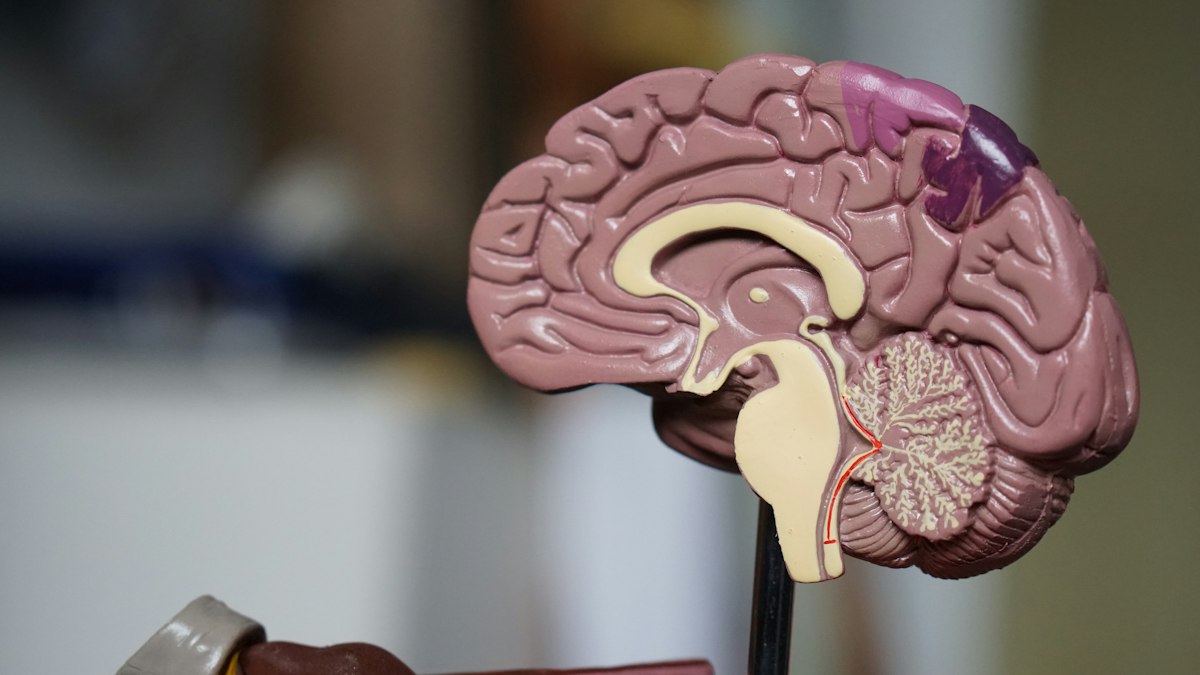
Libido in your 30s sits at the intersection of hormones, neurochemistry, and circulation — which is why it rarely improves from addressing just one. Estrogen and progesterone regulate neurotransmitter production, blood flow, tissue sensitivity, and sleep architecture. Cortisol, when chronically elevated, actively suppresses the entire reproductive and cognitive axis — your body deprioritizes desire, memory, and vitality when it believes it is under threat. And the decline in growth hormone after 30 degrades the deep sleep in which all of these systems are supposed to reset nightly.
This is why the experience is so frustrating to explain: blood tests come back “normal,” the doctor offers an antidepressant or nothing, and yet the difference between how you function now and how you functioned five years ago is undeniable. The systems involved shift gradually and interact — and they respond to being addressed together rather than separately.
Signs This Applies to You
- Desire faded gradually through your 30s with no obvious cause
- On hormonal birth control (often suppresses testosterone and libido)
- Chronic stress or a demanding mental load
- Desire is there in theory but the spark/initiation isn’t
- Fatigue competes with intimacy and usually wins
- Possible early perimenopause signs alongside it
- Arousal or lubrication takes longer than it used to
- You miss wanting it and want that back
Why the Standard Advice Falls Flat
“Reduce stress and sleep more” is technically correct and practically useless without mechanism. Generic multivitamins are dosed for deficiency prevention, not functional improvement. Caffeine masks the symptom for ninety minutes and worsens the underlying sleep architecture. And the most damaging advice is the implicit one — that this is just aging, or just motherhood, or just life, and nothing can be done.
The reality reflected in the research is different: the specific botanical and nutrient compounds that support female hormonal balance, neurotransmitter production, and cerebral blood flow have measurable effects in controlled studies. The standard advice fails because it never reaches the level of mechanism. Targeted support does.
The Combined Approach That Works
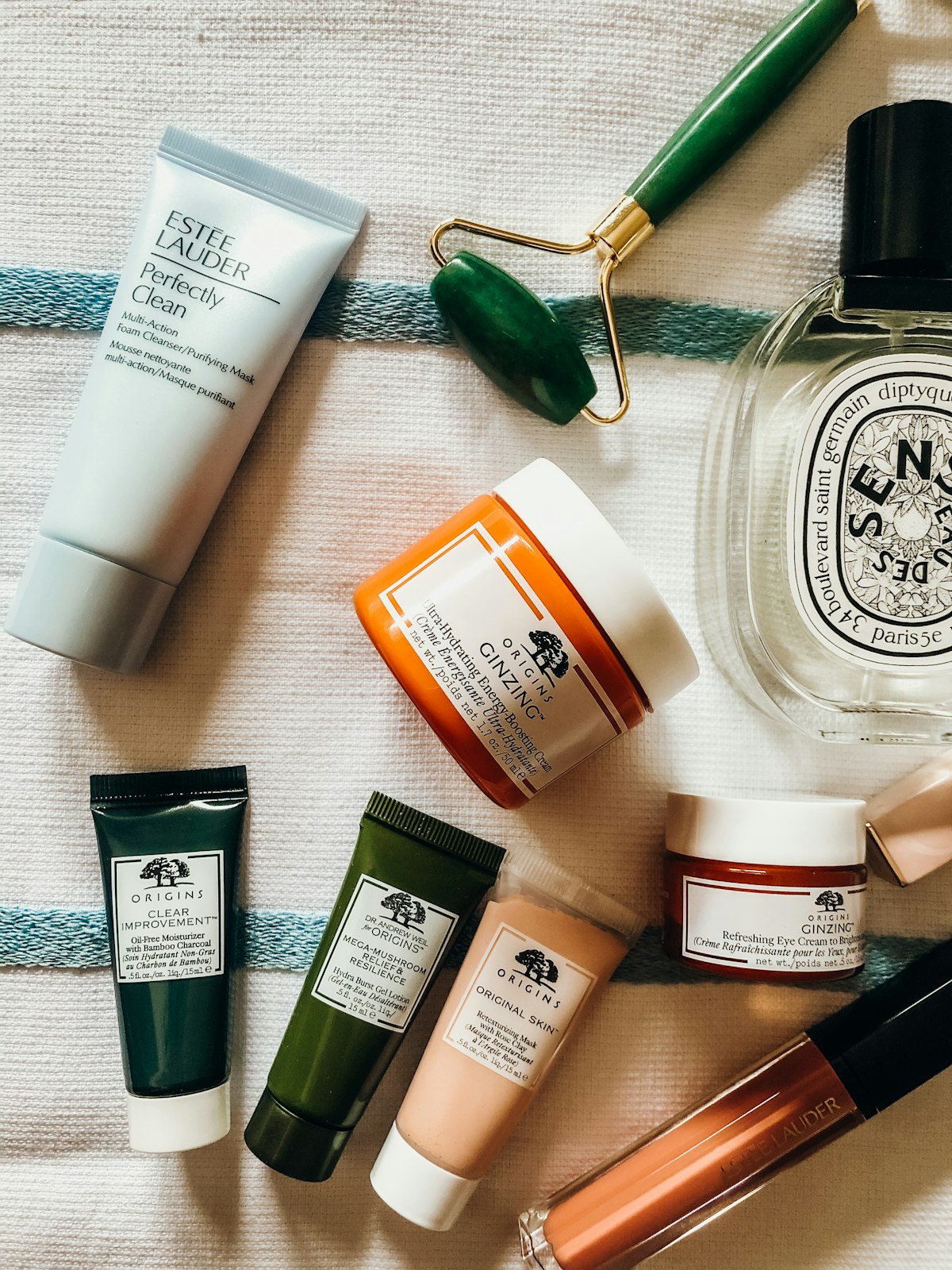
Three tracks, run simultaneously. Foundation: consistent sleep schedule, morning light, strength training, protein-anchored meals, and aggressive reduction of alcohol and refined sugar — these restore the baseline conditions your hormonal system needs. Internal support: targeted supplementation with compounds studied for the female system — adaptogens for adrenal resilience, phytoestrogen botanicals for hormonal balance, and clinically dosed nootropics where the cognitive side dominates. Immediate-effect tools where relevant: topical formulas that work in minutes rather than weeks, used alongside the internal track rather than instead of it.
The combination matters: the foundation makes the supplements work better, and the supplements address the part of the decline that lifestyle alone cannot reverse.
Provestra — Women’s Hormonal Balance & Vitality
Provestra is a daily supplement formulated for the female hormonal system — Black Cohosh, Damiana Leaf, Licorice Root, Red Raspberry, Ginseng, and targeted nutrients that support estrogen-progesterone balance, adrenal resilience, libido, and steady energy. It addresses the hormonal root that connects symptoms women are usually told to treat separately: fatigue, low desire, mood swings, sleep disruption, and cycle-related changes. Most women report meaningful shifts within 30-60 days of consistent use.
Affiliate link — we earn a commission at no extra cost to you. Statements not evaluated by the FDA. Consult your healthcare provider.
Your Daily Vitality Protocol
Your Step-by-Step Protocol
- Same wake time daily — your entire hormonal cascade calibrates to it
- Morning daylight within 30 minutes of waking — sets cortisol and melatonin timing
- Protein at breakfast before any sugar — steadies the neurochemical baseline
- Daily supplement taken with food at the same time — consistency drives results
- Strength training or brisk walking — circulation is half of vitality
- Alcohol minimized — it fragments exactly the deep sleep you are trying to restore
- Evening wind-down ritual — screens off, dim light, consistent bedtime
- Weekly check-in: rate energy, mood, desire, and focus 1-10 to see the trend
HerSolution Gel — Instant Comfort & Sensitivity
When slower arousal and lubrication are part of the picture, HerSolution Gel addresses the physical side immediately while hormonal support rebuilds desire from within — the two work well in tandem.
Realistic Timeline: What to Expect
The sequence of improvement is consistent: sleep depth shifts first (week 1-2), then morning energy and mood stability (weeks 2-4), then the headline symptom — desire, mental sharpness, or stamina depending on your situation — strengthens across weeks 4-8. Botanical and adaptogenic compounds build effect with cumulative use; the 60-day mark is the honest evaluation point, not day 10. Track weekly ratings rather than daily impressions — the trend line is what tells the truth.
Tracking the Right Things So You Know It’s Working
One of the biggest reasons women abandon a vitality or hormonal protocol is that they are measuring the wrong things and conclude, incorrectly, that nothing is happening. Botanical and hormonal support builds effect gradually and cumulatively — and if you are watching for a dramatic overnight switch, you will quit before the real change arrives.
Track trends, not days. How you feel on any single day is noise — it is affected by sleep, stress, where you are in your cycle, and a dozen other variables. What matters is the trend line across weeks. A simple weekly rating of your key symptoms — energy, mood, focus, desire, sleep quality on a 1-to-10 scale — reveals the trajectory that daily impressions hide. Most women are genuinely surprised, looking back at week 8, how far the trend has moved.
Watch the leading indicators first. Improvement arrives in a predictable order: sleep quality and depth shift first, usually within the first two weeks. Then morning energy and mood stability. Then the headline symptom — whether that is desire, mental sharpness, or stamina — strengthens across weeks four to eight. If your sleep is improving, the protocol is working, even if the symptom you care most about has not moved yet. It is next in line.
Give it a real evaluation window. The honest checkpoint for botanical and hormonal support is 60 days of consistent use, not 10. The compounds build effect over time, and the foundational habits compound alongside them. Evaluate at the two-month mark with your weekly tracking in hand, and you will be assessing real data rather than a snapshot of a single ordinary day.
Consistency is the multiplier. The protocol works to the degree you actually run it. Taking support intermittently, sleeping well only some nights, and eating protein only when convenient produces intermittent results. The women who get the dramatic before-and-after are not doing anything more sophisticated — they are simply doing it consistently enough, for long enough, to let the systems rebuild.
Get the Free 7-Day Glow-Up Checklist
One simple beauty and self-care habit per day — everything shower, body care, hair, nails, fragrance, and your Sunday reset ritual. Free PDF, instant access.
Veranoz Guides to Go Deeper
Frequently Asked Questions
Can birth control cause low libido?
For some women, clearly yes — certain hormonal contraceptives raise sex-hormone-binding globulin, lowering free testosterone (a key libido hormone), and some suppress desire directly. If your libido dropped after starting or switching, discuss alternatives with your provider — it’s a recognized, reversible effect.
Is low libido in your 30s a sign of perimenopause?
It can be an early one — perimenopause can quietly begin in the mid-30s, and shifting estrogen and testosterone affect desire, arousal, and lubrication before periods even change much. If it clusters with sleep, mood, and cycle changes, that’s the likely thread.
What rebuilds desire naturally in your 30s?
Address the actual drivers: hormonal-balance support (especially the testosterone and adrenal side), cortisol reduction through sleep and real downshifting, reviewing birth control with your provider, and rebuilding the depletion. Desire returns when the suppressors lift — it’s rarely truly gone, just buried.
The Complete Women’s Wellness Reset Guide
Hormones, energy, libido, skin firmness, and body confidence — the full system in one practical guide for women who are done being told everything is fine.
Affiliate disclosure: This post contains affiliate links. We earn a commission if you purchase through our links at no extra cost to you. Individual results vary. This content is informational and not medical advice — consult your healthcare provider.