
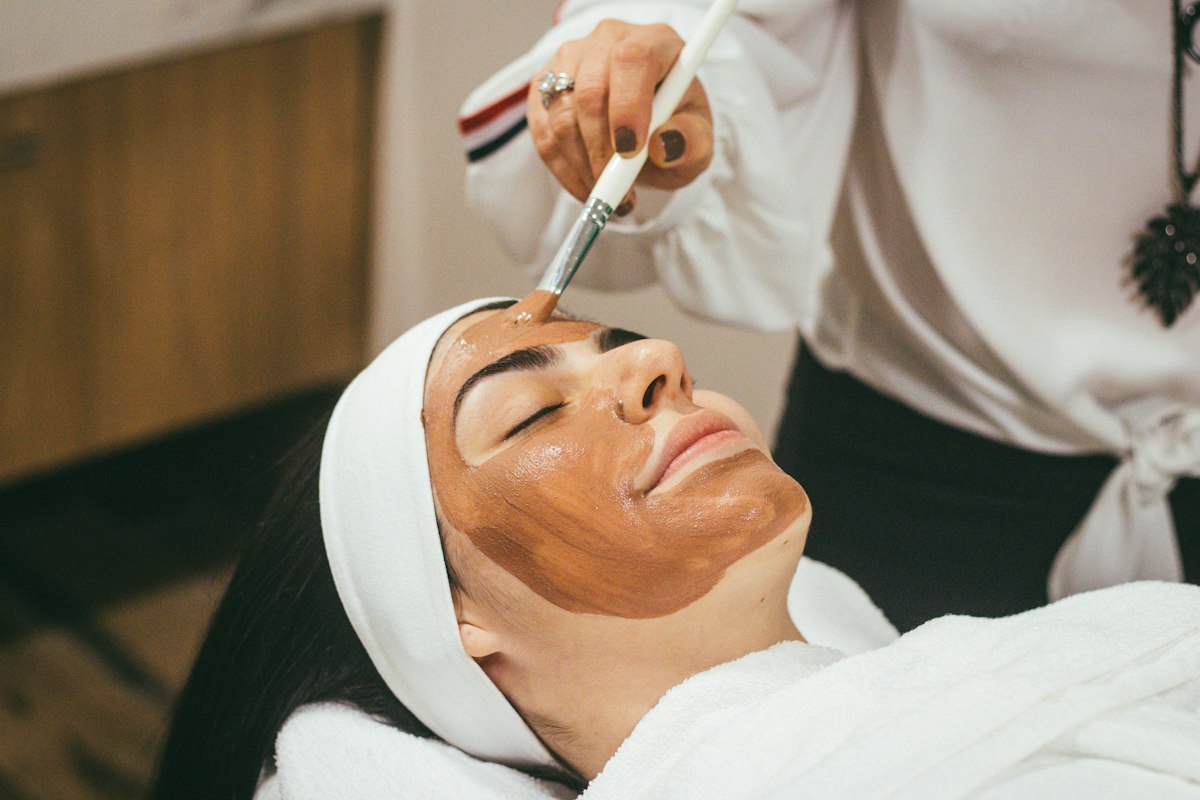
The acne ended; the texture stayed. Rolling shadows across the cheeks, small pits, uneven light reflection that makeup amplifies instead of hiding. Acne scarring gets the most dishonest marketing in skincare — creams promising to erase ice-pick scars that genuinely require clinical resurfacing. Here’s the honest version: a meaningful share of acne scarring is shallow, remodel-able, and responsive to a disciplined at-home protocol — and knowing which type you have tells you exactly what’s achievable.
The Real Problem
Acne scars are collagen errors: depressed scars where inflammation destroyed collagen, raised where repair overshot. Shallow rolling scars and surface texture respond well to topical remodeling over months; deep ice-picks need clinical work. Most faces have a mix — meaning home treatment delivers real, visible improvement even when it can’t deliver perfection.
Why These Marks Form and Why They Persist
Acne scars are not surface stains — they are structural changes in the dermis. When skin is injured or inflamed, your body prioritizes speed over beauty: it lays down repair collagen in dense, parallel bundles instead of the neat basket-weave pattern of normal skin. That disorganized collagen reflects light differently, sits at a different height, and often carries trapped pigment from the inflammation. That is why these marks survive every scrub, oil, and moisturizer you have thrown at them — none of those reach the dermis where the mark actually lives.
The encouraging part: scar tissue is not static. Your skin runs a continuous 28-day renewal cycle, and remodeling enzymes are constantly breaking down and rebuilding collagen everywhere, including inside scars. Left alone this remodeling takes years. Actively supported, it can be meaningfully accelerated — which is the entire basis of modern topical scar therapy.
Signs This Applies to You
- Shallow rolling or boxcar texture across cheeks or temples
- Light from the side reveals texture makeup can’t hide
- Marks are indented or raised — texture, not just color
- Old picking habits contributed and you know it
- Texture looks worse in ring-light and car-mirror lighting
- Some marks are years old and unchanged
- You’ve spent plenty on brightening products that faded color but not texture
- Clinic treatments are on your radar but budget says try home first
What Doesn’t Work (Save Your Money)
Vitamin E oil is the most recommended and most debunked scar remedy on the internet — controlled studies found it performs no better than plain moisturizer and causes contact dermatitis in up to a third of users. Cocoa butter, coconut oil, and bio-oils hydrate the surface pleasantly while changing nothing structurally. Aggressive physical scrubbing re-inflames the area, which can darken the mark further.
The pattern behind all the failures is the same: they treat the surface of a problem that lives 1-2mm deeper. Anything that does not either accelerate collagen remodeling, suppress excess pigment, or flatten raised tissue through occlusion is cosmetically pleasant and functionally irrelevant for an established mark.
The Protocol That Actually Fades Them
Effective treatment combines three mechanisms. Peptide-driven remodeling: compounds like Pro-Coll-One signal fibroblasts to replace disorganized scar collagen with normally structured tissue — the only way the texture itself improves. Pigment correction: Niacinamide and brightening agents fade the discoloration that makes marks visible from across the room. Massage and occlusion: sixty seconds of firm circular massage at each application increases local circulation, softens adhesions, and drives the actives deeper, while occlusive ingredients maintain the hydrated environment in which scars remodel fastest — the same principle behind clinical silicone sheeting.
Done twice daily, these three mechanisms compound. Done occasionally, none of them reach threshold. Consistency is the entire game with scar tissue.
Dermefface FX7 — Scar Reduction Therapy
Dermefface FX7 targets the skin’s natural 28-day renewal cycle with a seven-active complex including Pro-Coll-One peptide, Niacinamide, and Allantoin. It works by accelerating the replacement of disorganized scar collagen with healthier, normally structured tissue while fading the discoloration that makes marks visible. Designed for acne scars, stretch marks, surgical scars, and textured marks. Apply twice daily with 60 seconds of massage; expect visible change in the 4-8 week range and significant improvement by week 12-16.
Affiliate link — we earn a commission at no extra cost to you. Statements not evaluated by the FDA. Consult your healthcare provider.
Your Twice-Daily Treatment Protocol
Your Step-by-Step Protocol
- Cleanse the area gently and pat completely dry
- Apply scar treatment to the mark and 1cm of surrounding skin
- Massage in firm circular motions for a full 60 seconds — this is not optional
- Morning: SPF 30+ over the area if exposed — UV permanently darkens healing marks
- Evening: repeat application and massage before bed
- 2x per week: gentle chemical exfoliation around (not on) fresh marks
- Never pick, squeeze, or scratch — each re-injury restarts the clock
- Photograph monthly in identical lighting to track real progress
Illuminatural 6i — Advanced Brightening Serum
If discoloration is the dominant feature of your marks — more brown stain than texture — pairing Illuminatural 6i with your scar treatment attacks the pigment side directly while the peptides handle the structure.
Realistic Timeline: What to Expect
Newer marks (under 12 months, still pink or red) respond fastest — visible softening and fading typically begins at 4-6 weeks of twice-daily treatment. Established marks need patience: expect the first convincing change around weeks 6-10 and significant improvement by weeks 12-16. Old, silvery-white marks remodel slowest but still respond over 4-6 months. The age of the mark determines the timeline; the consistency of your application determines whether you get there at all.
The Mistakes That Keep Scars and Marks From Fading
Most women who struggle to fade scars and marks are not using the wrong product — they are making one of a handful of consistency or technique mistakes that quietly cap their results. Understanding these is often the difference between a mark that fades and one that lingers for years.
Skipping the massage. The single most underused tool in scar treatment is the sixty seconds of firm circular massage at each application. Massage is not optional polish — it physically softens fibrous tissue, releases the tethering that holds depressed scars down, boosts local circulation, and drives the active ingredients deeper into the tissue. Applying treatment without massage cuts its effectiveness roughly in half.
Quitting before the timeline. Scar tissue remodels on a biological schedule that cannot be rushed — meaningful change for established marks typically begins at week 6 to 10 and consolidates through week 16. Women who quit at week 3 because nothing visible has happened are abandoning the process exactly when the groundwork is being laid. The remodeling is happening beneath the surface long before your eyes can see it.
Ignoring sun protection. UV exposure permanently darkens healing scars and marks — a fading scar that gets unprotected sun will lock in its discoloration. Daily SPF over any treated area that sees daylight is not a nice-to-have; it is the protection that lets the fading actually show.
Re-injuring the area. Picking, scratching, harsh scrubbing, or repeated irritation each restart the inflammation clock and can darken a mark further. The discipline of leaving the area alone — letting it heal and remodel undisturbed — is as important as anything you apply to it.
Get the Free 7-Day Glow-Up Checklist
One simple beauty and self-care habit per day — everything shower, body care, hair, nails, fragrance, and your Sunday reset ritual. Free PDF, instant access.
Veranoz Guides to Go Deeper
Frequently Asked Questions
Which acne scars improve at home and which don’t?
Shallow rolling scars, mild boxcars, and surface texture respond to consistent peptide remodeling — typically 30-60% improvement over 3-4 months. Deep ice-pick and tethered scars need microneedling or laser; treat the responsive majority at home and you often shrink the clinical problem dramatically.
Does massage really help acne scar texture?
Sixty seconds of firm circular massage at each application increases circulation and softens fibrous tethering under rolling scars — it’s a documented adjunct, not folklore. It also drives the peptides deeper. Skip it and you lose meaningful efficacy.
Can I treat active breakouts and scars simultaneously?
Yes, and you should — every new inflamed breakout is a future scar. Keep your acne routine in the morning, run the scar protocol at night, and enforce a zero-picking policy: picking is the single largest controllable cause of permanent texture.
The Complete Women’s Wellness Reset Guide
Hormones, energy, libido, skin firmness, and body confidence — the full system in one practical guide for women who are done being told everything is fine.
Affiliate disclosure: This post contains affiliate links. We earn a commission if you purchase through our links at no extra cost to you. Individual results vary. This content is informational and not medical advice — consult your healthcare provider.