

A crowded skincare shelf can make a simple goal feel oddly complicated. If you have been wondering how to start anti aging skincare, the good news is that you do not need a long routine, a bathroom full of products, or a perfectionist mindset. You need a few steady habits, a little patience, and a routine that feels easy enough to keep.
That matters more than people think. Skin tends to respond better to consistency than to dramatic product hopping, and the most helpful anti-aging routines are usually the ones that fit into real life. Think gentle cleansing, daily sun protection, and one or two supportive treatment steps that make your skin feel cared for rather than stressed.
How to start anti aging skincare without overdoing it
The best place to begin is not with the strongest serum or the most expensive cream. It is with a calm reset. Anti-aging skincare works best when your skin barrier feels comfortable and your routine is simple enough to repeat every day.
A beginner-friendly routine has three core goals. First, keep skin clean without stripping it. Second, keep skin hydrated so it looks fresh and feels comfortable. Third, protect it daily from environmental stress, especially sun exposure, which plays a major role in how skin looks over time.
That means your starting routine can be very small. In the morning, use a gentle cleanser if you need one, apply a moisturizer if your skin feels dry, and finish with sunscreen. At night, cleanse, moisturize, and if you want to add one treatment product, choose just one and use it consistently.
This is not the most exciting advice, but it is the most useful. Starting with too many active ingredients at once often leads to dryness, irritation, and confusion about what is actually helping.
The four products worth starting with
If you are building your first anti-aging routine, focus on the products that do the most work with the least stress.
1. A gentle cleanser
A cleanser should leave your skin feeling clean, not tight. If your face feels squeaky or uncomfortable afterward, it may be too harsh for a routine focused on long-term skin support. A cream, gel, or milky cleanser with a gentle feel is usually a safe place to begin.
If your skin is very dry-feeling, you may not even need a full cleanser in the morning. A rinse with lukewarm water can be enough for some people, followed by moisturizer and sunscreen.
2. A simple moisturizer
Hydration helps skin look softer, smoother, and more refreshed. It also supports your skin barrier, which matters if you plan to introduce active ingredients later. Look for a moisturizer that feels comfortable enough to use daily. It does not need to be heavy or fancy. It just needs to keep your skin balanced.
Some people prefer a light lotion during the day and a richer cream at night. Others do well with one moisturizer for both. Either approach is fine.
3. A daily sunscreen
If you do one anti-aging step consistently, let it be sunscreen. This is less about chasing perfection and more about protecting the progress your routine is trying to make. Even a very thoughtful serum routine will feel less effective if your skin is not protected during the day.
Choose a broad-spectrum SPF 30 or higher that you are happy to wear regularly. The best sunscreen is the one that feels comfortable enough to become a habit. If one formula feels too greasy, chalky, or heavy under makeup, keep trying until you find one you genuinely like.
4. One treatment product
This is where many routines get crowded, but it is better to keep it focused. For beginners, a retinol, a peptide serum, or a vitamin C serum can all make sense depending on your preferences.
Retinol is often the most talked-about anti-aging ingredient because it supports smoother-looking skin and overall skin texture over time. But it can also be drying if you start too fast. If your skin is sensitive or you want a gentler beginning, peptides may feel easier to work into your routine. Vitamin C is often used in the morning to support brightness and help skin look more refreshed.
You do not need all three at once. In fact, starting with one is usually the wiser move.
Which anti-aging ingredient should you start with?
This is where it depends on your skin, your comfort level, and how simple you want your routine to feel.
If you want the most classic anti-aging starting point, a beginner-friendly retinol is a reasonable choice. Use it at night just a couple of times a week at first, then slowly increase only if your skin stays comfortable. Pair it with moisturizer, and do not rush.
If you know your skin tends to feel reactive, a peptide serum may be a softer place to start. It usually fits easily into a routine and does not carry the same adjustment period that retinol can.
If your main goal is a more radiant, fresh look, vitamin C can be a lovely morning step. It layers well under sunscreen for many people, though some formulas can be a little strong. If that happens, every other morning may feel better than daily use.
There is no prize for choosing the most intense product. The right first ingredient is the one you can use comfortably and consistently.
A simple morning and night routine
When people search for how to start anti aging skincare, they often expect a complicated schedule. A better routine is one you can remember without checking a chart.
Morning
Cleanse if needed, then apply a vitamin C serum if you are using one. Follow with moisturizer if your skin wants it, then sunscreen.
Night
Cleanse, apply your treatment product if you are using one, then finish with moisturizer.
That is enough. If your skin starts to feel dry, tight, or overworked, scale back. A routine should support your skin, not leave it feeling punished.
What to avoid when you are just starting
The biggest mistake is trying to fix everything at once. A new cleanser, a strong exfoliant, retinol every night, vitamin C every morning, and a handful of trending products may sound productive, but it usually creates more confusion than progress.
Be especially careful with layering multiple strong actives in the same routine. Exfoliating acids and retinol can both be useful, but starting both together is often too much for beginners. If you want to use exfoliation later, add it slowly and only after your core routine feels steady.
Another common mistake is expecting fast results. Anti-aging skincare is more about rhythm than urgency. Skin usually responds to steady care over time, not pressure.
How long does it take to notice a difference?
Usually, hydration-related improvements can show up fairly quickly. Skin may look softer or more comfortable within days or a couple of weeks once you are cleansing gently and moisturizing consistently.
Treatment products take longer. With ingredients like retinol or vitamin C, visible changes tend to be gradual. That can feel a little underwhelming at first, but gradual is normal. You are building a routine, not chasing a dramatic overnight shift.
It also helps to judge your routine by how your skin feels, not just how it photographs. Comfortable, balanced, well-cared-for skin is a good sign that your routine is headed in the right direction.
How to keep the routine sustainable
The most effective skincare routines are rarely the most complicated. They are the ones that become part of your day without creating stress.
Keep your products where you can see them. Introduce only one new item at a time. Give each product a fair trial before replacing it. If something makes your skin feel uncomfortable, you do not have to force yourself to keep using it just because it is popular.
It can also help to think of anti-aging skincare as part of a larger self-care rhythm. Washing your face, applying moisturizer, and putting on sunscreen can be small moments that make you feel more put together, not just more polished. That mindset tends to make consistency easier.
At Veranoz, that softer approach matters. Good skincare does not need to feel intense to be effective. It can feel calm, supportive, and easy to return to each morning and night.
If you are starting from scratch, let simple be enough. A gentle cleanser, a moisturizer, sunscreen, and one well-chosen treatment step can take you much further than an overflowing routine ever will. Give your skin room to settle, keep your habits steady, and let the process feel kind.
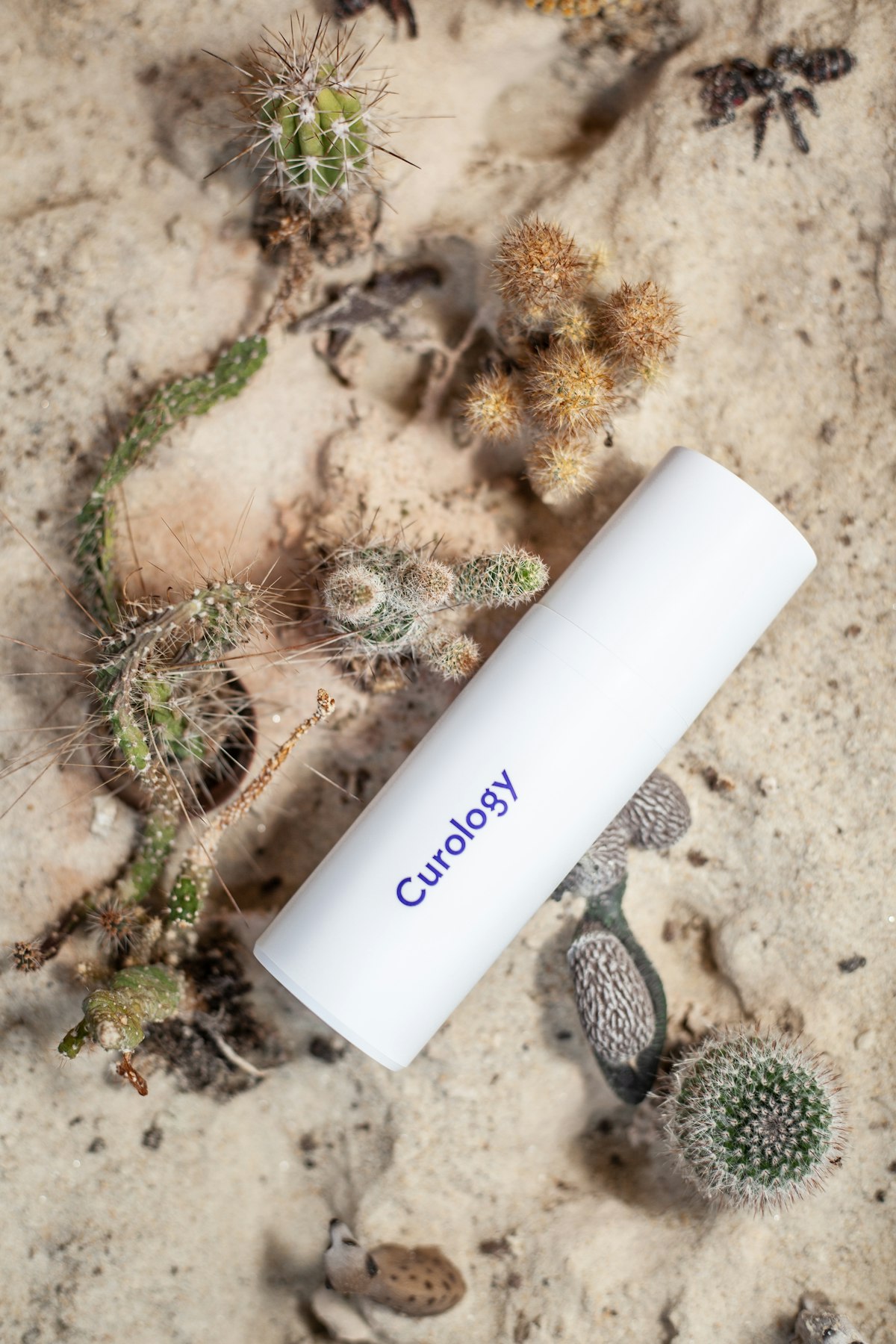

Illuminatural 6i — Even Skin Tone
Six proven brightening agents that fade dark spots and even skin tone without harsh bleaching. Safe for daily use.
Affiliate link — we earn a commission at no extra cost to you.
Get the Free 7-Day Glow-Up Checklist
One simple beauty and self-care habit per day — everything shower, body care, hair, nails, fragrance, and your Sunday reset.
Affiliate disclosure: Some links are affiliate links. We earn a commission at no extra cost to you. We only recommend products we believe in.