

Disclosure: As an Amazon Associate, Veranoz earns from qualifying purchases. We may earn a commission if you buy through links in this post, at no extra cost to you.
Under eye patches work best as a quick fix: chilled hydrogel patches with caffeine or hyaluronic acid can temporarily reduce puffiness and plump fine lines for a few hours, which makes them great before an event or a photo. They don’t permanently remove under eye bags or dark circles. For lasting results, pair them with sleep, less salt at night, sunscreen and a good eye cream, and know when bags are structural rather than fluid.
Free: the 12-Week Retinol Starter Plan
Which retinoid to pick, a night-by-night 12-week ramp-up calendar, how to tell purging from irritation and a printable progress tracker.
Free. You will also get a few short emails with tips and offers. Unsubscribe anytime. Privacy policy.
Below are the best types of under eye patches for puffiness, dark circles and fine lines, what the ingredients actually do, how to use patches for the best results, and the habits that help with under eye bags over the long term.
The Real Problem
Many women wake up with puffy, tired-looking eyes even after a decent night’s sleep. Concealer settles into lines, eye cream works slowly and the skin under the eyes looks thinner and more creased. Under eye patches promise an instant fix, but there are hundreds of options with very different ingredients, and it’s hard to tell which ones are worth it and which are just pretty packaging.

Short Answer
Morning puffiness: chilled hydrogel patches with caffeine. Dry, crepey under-eyes: hyaluronic acid or ceramide hydrogel patches. Dullness and mild dark circles: niacinamide or vitamin C patches. Fine lines: microneedle patches overnight, a few times a week. Lowest waste: reusable silicone patches over your eye cream. Wear time: 10 to 20 minutes for hydrogel patches, chilled.
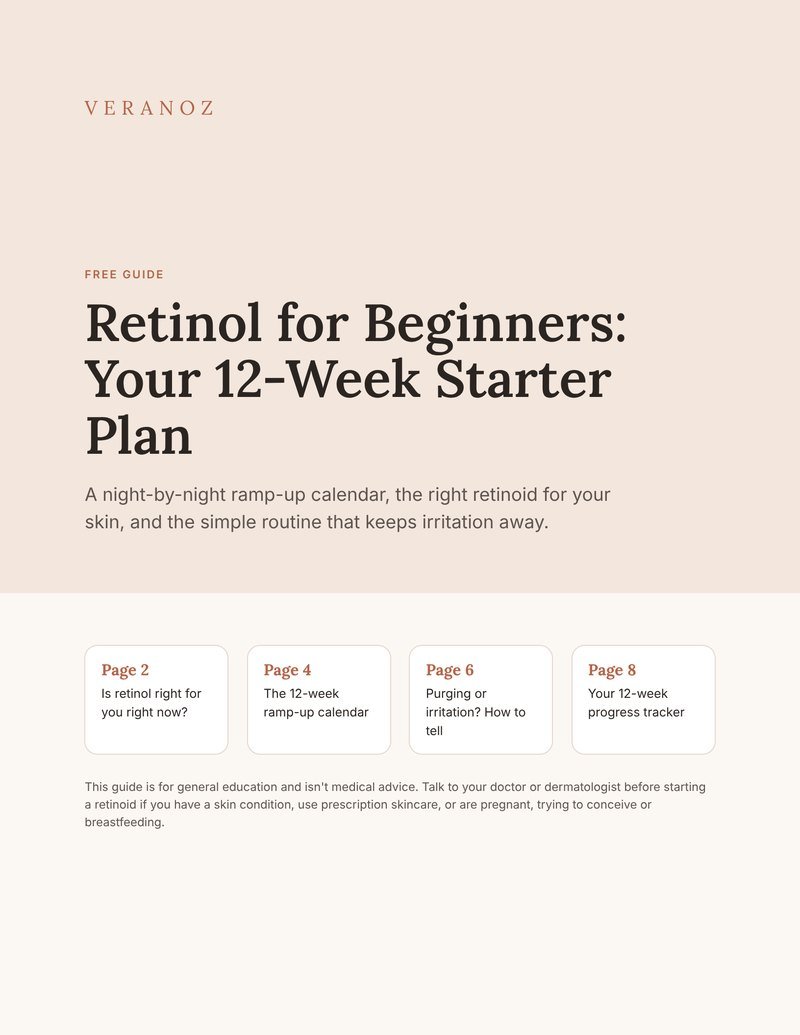
Retinol for Beginners: Your 12-Week Starter Plan
Which retinoid to pick, a night-by-night ramp-up calendar, purging vs irritation, and a printable tracker. Start retinol without the peeling.
Send me the free plan →In This Guide
Do Under Eye Patches Work?
Yes, but mostly in the short term. Here’s what they can and can’t do:
| They can | They can’t |
|---|---|
| Temporarily reduce fluid puffiness, especially when chilled | Remove fat pads that cause permanent bags |
| Hydrate and plump fine lines for a few hours | Erase deep wrinkles or hollows |
| Make concealer go on smoother | Fix dark circles caused by genetics or thin skin |
| Deliver ingredients like caffeine and hyaluronic acid | Replace sleep, sunscreen or a consistent eye cream |
The cooling effect does a lot of the work. Cold constricts blood vessels and helps move fluid, which is why a cool compress is one of the first things dermatologists and the Mayo Clinic suggest for puffy eyes. Patches add hydration and active ingredients on top of that.
What Causes Under Eye Bags and Dark Circles?
Knowing the cause tells you whether patches will help:
- Fluid retention: salty food, alcohol, crying, allergies or sleeping flat can make eyes puffier in the morning. Patches help here.
- Lack of sleep: makes eyes look puffy and shadowed. Patches help temporarily.
- Weakened support: over time, the tissues and muscles supporting the eyelids weaken, and fat that normally supports the eyes can shift forward, creating bags that don’t go away. Patches help only slightly.
- Thin skin: as under-eye skin thins, blood vessels underneath show through as bluish or purple circles.
- Pigmentation: brown under-eye circles are often genetic or sun-related and more common in deeper skin tones.
- Hollows: volume loss under the eye casts a shadow that looks like a dark circle.
- Allergies and rubbing: can cause swelling and darkening.
A quick test: if the puffiness is worst in the morning and improves by afternoon, it’s mostly fluid and patches will help. If the bags look the same all day, they’re more likely structural.
Types of Under Eye Patches
| Type | How it works | Best for | Wear time |
|---|---|---|---|
| Hydrogel | Water-rich gel that holds ingredients against the skin | Puffiness, hydration, quick events | 10 to 20 minutes |
| Microneedle | Tiny dissolving hyaluronic acid “darts” on a patch | Fine lines, crepey texture | Overnight or 2+ hours |
| Reusable silicone | Occludes your own eye cream or serum underneath | Smoothing lines, low waste | Overnight or a few hours |
| Sheet or cotton pads | Soaked in serum, like a mini sheet mask | Quick hydration | 10 to 15 minutes |
| Cooling gel mask (reusable) | Chilled gel pack shaped for the eyes | Puffiness, headaches, relaxation | 5 to 15 minutes |
Best Under Eye Patches by Concern
Caffeine Hydrogel Under Eye Patches
Store them in the fridge and apply for 10 to 20 minutes while you do your makeup or drink your coffee. The combination of cold, hydration and caffeine gives the most visible quick depuffing.
Check on Amazon →Hyaluronic Acid Hydrogel Eye Patches
Hyaluronic acid draws water into the skin’s surface, temporarily plumping fine lines. Use them before concealer for a smoother finish.
Check on Amazon →Brightening Eye Patches (Niacinamide or Vitamin C)
Brightening ingredients work gradually, so use them a few times a week alongside daily sunscreen for any visible change in pigmentation.
Check on Amazon →Hyaluronic Acid Microneedle Eye Patches
The tiny needles are made of hyaluronic acid and dissolve into the top layer of skin as you sleep. Use them once or twice a week, place them below the lash line (not on the eyelid) and stop if you feel stinging that lasts.
Check on Amazon →Reusable Silicone Under Eye Patches
Apply your eye cream or serum, then press the silicone patch on top. It locks in moisture and helps lines look smoother by morning. Wash and reuse.
Check on Amazon →Cooling Gel Eye Mask
Keep a reusable gel mask in the fridge (not the freezer, which is too cold for delicate skin) and use it for five to ten minutes in the morning.
Check on Amazon →Under Eye Patch Ingredients That Matter
| Ingredient | What it does | Good for |
|---|---|---|
| Caffeine | Helps constrict blood vessels temporarily | Puffiness, bluish shadows |
| Hyaluronic acid | Draws water into the skin’s surface | Dryness, fine lines |
| Niacinamide | Supports the skin barrier and evens tone over time | Dullness, uneven tone |
| Vitamin C | Antioxidant that brightens over time | Brown circles, dullness |
| Peptides | Support smoother-looking skin with regular use | Fine lines |
| Ceramides and glycerin | Hydrate and strengthen the barrier | Dry, sensitive under-eyes |
| Retinoids | Support collagen over months | Fine lines (use carefully, avoid in pregnancy) |
Skip patches with strong fragrance or essential oils if your eyes are sensitive. Gold, pearl and collagen patches look luxurious, but the hydration and cooling are what make the visible difference. Collagen molecules are generally too large to sink into the skin and rebuild your own collagen.
How to Use Under Eye Patches for the Best Results
- Chill them. Keep hydrogel patches in the fridge for an extra depuffing boost.
- Start with clean skin. Remove makeup and pat the under-eye area dry.
- Place them correctly. The thin end goes toward the inner corner, about a few millimeters below the lash line. For crow’s feet, angle them up toward the temples.
- Sit up. Lying flat lets fluid pool under the eyes.
- Leave them on 10 to 20 minutes for hydrogel, or as directed. Longer doesn’t help, and drying patches can pull moisture back out.
- Pat in the leftover serum. Don’t rinse it off.
- Follow with eye cream, then concealer if you’re wearing makeup.
For a smoother concealer finish, use hydrating patches first, then follow the base steps in our natural everyday makeup routine.
When to Use Under Eye Patches
- Morning of an event or a big meeting: chilled caffeine patches.
- After a late night or a long flight: hydrogel patches plus plenty of water.
- Before photos or video calls: hyaluronic acid patches so concealer looks smooth.
- Two or three nights a week: microneedle or silicone patches for fine lines.
- As part of a wind-down: patches fit easily into a self care night routine.
Free: the 12-Week Retinol Starter Plan
Which retinoid to pick, a night-by-night 12-week ramp-up calendar, how to tell purging from irritation and a printable progress tracker.
Free. You will also get a few short emails with tips and offers. Unsubscribe anytime. Privacy policy.
Under Eye Patches vs Eye Cream
| Under eye patches | Eye cream | |
|---|---|---|
| Speed | Visible in 10 to 20 minutes | Gradual, over weeks |
| How long results last | A few hours | Builds with daily use |
| Best for | Events, puffy mornings, makeup prep | Long-term hydration, lines, tone |
| Cost per use | Higher (single-use) | Lower |
| Daily routine | Optional extra | Core step |
The best approach is both: an eye cream every day, and patches when you want a visible boost.
Choosing Patches for Your Skin
- Sensitive or reactive eyes: fragrance-free hydrogel patches with simple ingredients like hyaluronic acid, glycerin and ceramides. Patch test on your jawline first.
- Very dry, crepey skin: hyaluronic acid or ceramide patches, followed immediately by a rich eye cream to seal in hydration.
- Oily skin or milia-prone: lightweight hydrogel patches rather than heavy, oily formulas, and wipe away any sticky residue.
- Deeper skin tones with brown circles: brightening patches with niacinamide or vitamin C, plus daily sunscreen. Avoid harsh acids that can trigger more pigmentation.
- Contact lens wearers: keep patches well below the lash line and remove lenses first if serum tends to migrate.
Free Alternatives to Under Eye Patches
If you don’t want to buy single-use patches, a few at-home options give some of the same cooling benefit:
- A cool, damp washcloth held under the eyes for a few minutes while sitting up, as the Mayo Clinic suggests.
- Two chilled metal spoons pressed gently under the eyes for a minute.
- A reusable gel eye mask kept in the fridge.
- Cold water splashes followed by a gentle tapping massage from the inner to the outer corner with your ring finger.
These cool and depuff but don’t add hydration, so follow with eye cream.
How to Reduce Under Eye Bags Long Term
Patches are a quick fix. These habits make the biggest difference over weeks and months:
- Sleep seven to nine hours and elevate your head slightly with an extra pillow.
- Limit salt and alcohol in the evening, and drink fewer fluids right before bed.
- Use a cool compress for a few minutes in the morning while sitting up.
- Treat allergies. Itchy, rubbed eyes swell and darken.
- Stop smoking, which damages collagen and can make bags worse.
- Wear sunscreen and sunglasses daily. Sun damage thins skin and deepens pigmentation.
- Use an eye cream consistently. See our guides to the best eye cream for puffy eyes and the best eye cream for dark circles, or read whether eye cream is worth it.
- Remove eye makeup gently and don’t rub your eyes.
For relaxation plus a little depuffing at night, a heated eye mask is soothing, but use cold in the morning for puffiness. Heat relaxes; cold depuffs.
Common Under Eye Patch Mistakes
- Leaving them on too long. Hydrogel patches start to dry after about 20 to 30 minutes and can pull moisture back out of the skin.
- Lying down while wearing them. Fluid pools under the eyes when you’re flat. Sit up or stand while they work.
- Placing them on the lash line or eyelid. Serum can run into the eyes and sting. Keep a small gap below the lashes.
- Skipping moisturizer afterward. Patches hydrate the surface; an eye cream seals it in.
- Reusing single-use patches. Once they’ve been on your skin, they can collect bacteria. Toss them.
- Expecting a permanent fix. Patches are a quick boost. If your bags are structural, no patch will remove them.
- Combining too many actives. Microneedle patches plus retinol plus an acid on the same night is a recipe for irritation. Pick one.
- Using the freezer. Frozen patches can be too cold for thin under-eye skin. The fridge is enough.
When Patches Aren’t Enough
If under eye bags are permanent, getting bigger, or bother you a lot, a dermatologist or oculoplastic surgeon can discuss options such as laser resurfacing, chemical peels, fillers for hollows or lower eyelid surgery. See a doctor promptly if swelling is sudden, painful, red or itchy, affects only one eye, or comes with vision changes, as that may point to an allergy, infection or another condition.
Under Eye Patch Checklist
- Match the patch to the problem: puffiness, dryness, dullness or lines
- Keep hydrogel patches in the fridge
- Apply to clean skin, sitting up
- 10 to 20 minutes for hydrogel, overnight for microneedle or silicone
- Pat in leftover serum, then eye cream
- Skip fragrance if your eyes are sensitive
- Sleep, less salt at night, sunscreen daily
- See a doctor for sudden, painful or one-sided swelling
Frequently Asked Questions
Do under eye patches really work?
They work for temporary results. Chilled hydrogel patches can reduce fluid puffiness and plump fine lines for a few hours. They don’t permanently remove bags caused by shifting fat pads or genetics.
How long should you leave under eye patches on?
Most hydrogel patches work in 10 to 20 minutes. Microneedle and silicone patches are usually worn for several hours or overnight. Follow the package directions.
How often can I use under eye patches?
Hydrogel patches can be used daily if your skin tolerates them. Microneedle patches are typically used once or twice a week.
Which under eye patches are best for dark circles?
Patches with caffeine help bluish shadows temporarily, while niacinamide or vitamin C patches help brown pigmentation gradually. Daily sunscreen and enough sleep matter just as much.
Should I put eye patches in the fridge?
Yes, chilling hydrogel patches boosts the depuffing effect. Avoid the freezer, which can be too cold for delicate under-eye skin.
Can I use under eye patches before makeup?
Yes. Hydrating patches are a great prep step. Pat in the leftover serum, let it absorb for a minute, then apply eye cream and concealer.
Are microneedle eye patches safe?
They’re generally well tolerated on healthy skin, but skip them on irritated, broken or eczema-prone skin, keep them off the eyelid, and don’t use them the same night as retinol or acids.
Do gold or collagen eye patches work better?
Not necessarily. Gold and collagen add a luxurious feel, but the visible results mostly come from cooling and hydration. Choose by key ingredients like caffeine or hyaluronic acid rather than by color or packaging.
Why are my under eye bags worse in the morning?
Fluid pools under the eyes when you lie flat overnight, especially after salty food or alcohol. Sleeping with your head slightly raised and a cool compress in the morning help.
Sources: Mayo Clinic, Bags under eyes: diagnosis and treatment. Ingredient descriptions reflect general dermatology guidance; Veranoz has not tested every product listed.
Eyelasticity — A Retinol-Free Peptide Eye Cream
Patches and cold compresses help for a few hours. For the long game, a consistent eye cream matters more. Skinception’s Eyelasticity is a retinol-free eye cream built around peptides (Matrixyl, Haloxyl and Eyeliss) aimed at puffiness, dark circles, crow’s feet and crepey lids. Because it’s retinol-free, it’s a gentler choice for sensitive eyes. Use it morning and night and give it about 8–12 weeks. Is eye cream worth it?
Affiliate link — we earn a commission at no extra cost to you. Statements not evaluated by the FDA. Individual results vary.
Also Seeing Lines Across the Face?
Kollagen Intensiv pairs a low dose of retinol with peptides, vitamin C and hyaluronic acid in one cream for fine lines and uneven tone. Start every other night with daily SPF. Not for pregnancy or breastfeeding. Read our honest review.
Get the Free 7-Day Glow-Up Checklist
One simple beauty and self-care habit per day: everything shower, body care, hair, nails, fragrance, and your Sunday reset ritual. Free PDF, instant access.
Veranoz Guides to Go Deeper
Affiliate disclosure: This post contains affiliate links. We earn a commission if you purchase through our links at no extra cost to you. Individual results vary. This content is informational and not medical advice.