

Disclosure: As an Amazon Associate, Veranoz earns from qualifying purchases. We may earn a commission if you buy through links in this post, at no extra cost to you.
The most flattering bangs with medium hair are soft and movable rather than heavy and straight: curtain bangs that part in the middle and sweep toward the cheekbones, side-swept bangs that fall across the brow, wispy see-through bangs, or a softened blunt fringe that’s been point-cut so it doesn’t sit like a shelf. On shoulder-length or collarbone-length hair, these bangs frame the eyes, draw attention to the cheekbones and can soften the look of forehead lines, and the right one depends mostly on your face shape, your hair texture and how many minutes you’ll spend styling each morning.
Free: the Fuller-Looking Hair Cheat Sheet
The right cut for your hair type, a 5-minute volume blowout, a weekly routine that stops breakage and a 90-day tracker.
Free. You will also get a few short emails with tips and offers. Unsubscribe anytime. Privacy policy.
Below you’ll find the main bang styles explained, the best bangs for your face shape and hair texture, options that work if your hair is fine or thinning, how to ask your stylist, a two-minute styling method, how to trim between salon visits, and the mistakes that make bangs look dated.
The Real Problem
Bangs can take years off a look or add them, and the difference is usually the cut, not the woman. Heavy, straight-across bangs can look severe on fine hair, draw attention to the eyes in an unflattering way, and expose thinning at the front when the hair separates. Fine hair gets greasy at the forehead by lunchtime, cowlicks make bangs flip, and growing out a bad fringe takes months. Most of these problems disappear with a softer shape, the right width and a couple of minutes of styling.

Short Answer
Safest first bangs: curtain bangs, cut long so they blend into face-framing layers. Round or square face: long curtain or side-swept bangs that break up width. Long face: fuller, brow-skimming bangs. Heart face: wispy or curtain bangs. Fine or thinning hair: narrow, light, wispy bangs that don’t borrow hair from too far back. Curly hair: curly curtain bangs cut dry. Upkeep: trim every 3 to 5 weeks, blow-dry for two minutes with a small round brush, and keep oily products off the forehead.
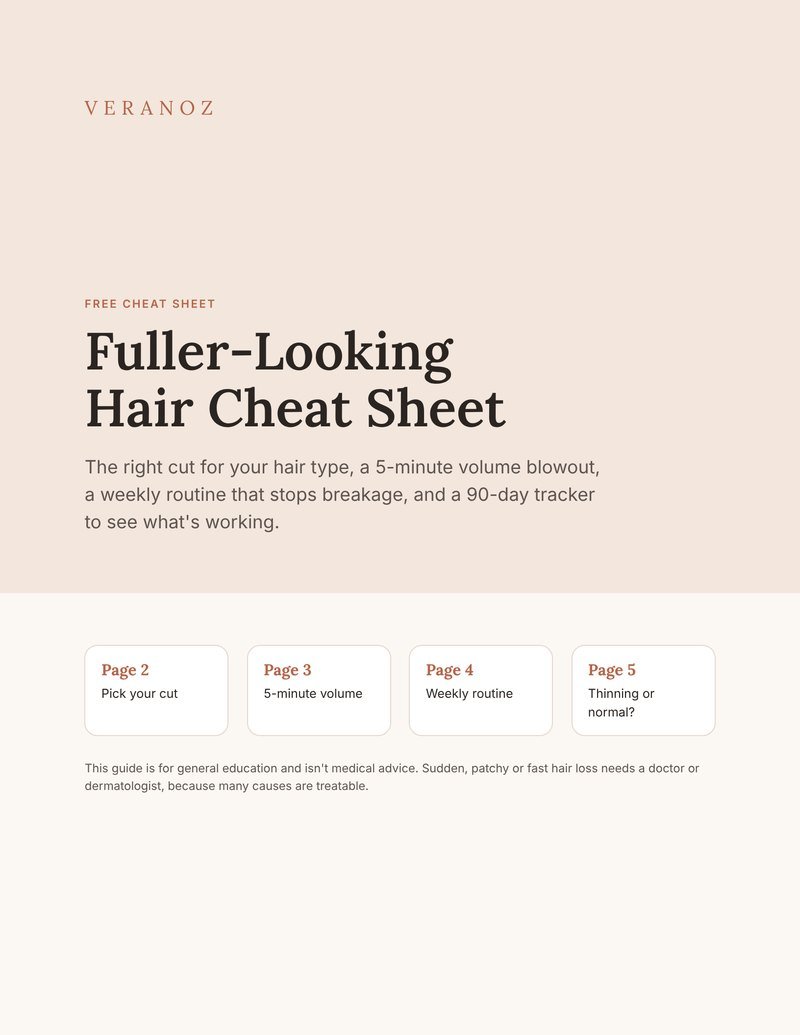
Fuller-Looking Hair Cheat Sheet
The right cut for your hair type, a 5-minute volume blowout, a weekly routine that stops breakage, and a 90-day tracker.
Send me the free cheat sheet →In This Guide
- Why bangs work so well
- Types of bangs for medium hair
- Best bangs by face shape
- Best bangs by hair texture
- Bangs for fine or thinning hair
- Bangs with glasses
- How to ask your stylist
- How to style bangs in two minutes
- How to trim bangs at home
- Bangs and forehead skin
- Tools and products for bangs
- Mistakes to avoid
- FAQ
Why Bangs Work So Well
Bangs are one of the simplest ways to update a medium-length haircut without losing length. Here’s what a well-cut fringe does:
- Frames the eyes and cheekbones. Soft bangs pull attention to the center of the face and to your best features.
- Softens the forehead. Bangs cover or diffuse forehead lines and a higher hairline without any treatment at all.
- Adds shape to medium hair. Shoulder-length cuts can look flat; bangs and face-framing layers give the cut a clear shape.
- Disguises a receding or uneven hairline at the temples, as long as they’re cut light enough not to expose the scalp.
- Updates gray or silver hair. A fresh fringe makes natural gray look intentional and modern.
What bangs can’t do is hide hair loss on their own. The American Academy of Dermatology notes that changing your part or hairstyle to hide hair loss usually gives only modest results and doesn’t treat the cause, so if you’re noticing a widening part or more scalp at the front, see a dermatologist alongside your stylist.
Types of Bangs for Medium Hair
| Bang style | What it looks like | Best for | Daily effort |
|---|---|---|---|
| Curtain bangs | Parted in the middle, shortest at the center (around the nose or upper lip), sweeping out to the cheekbones | First-time bangs, most face shapes, wavy and straight hair | Low to medium |
| Side-swept bangs | Longer bangs cut on an angle and swept to one side across the brow | Round and square faces, cowlicks, growing out bangs | Low |
| Wispy (see-through) bangs | Thin, feathery fringe that lets the forehead show through | Fine hair, heart faces, a soft, fresh look | Low |
| Soft blunt bangs | Brow-length fringe, point-cut or texturized so the edge isn’t harsh | Long faces, thick straight hair, bold features | Medium to high |
| Bottleneck bangs | Narrow at the top, a little longer and wider at the sides, like the shape of a bottle | Oval and long faces; a modern middle ground between curtain and blunt | Medium |
| Long face-framing bangs | Cheekbone-to-chin-length pieces that blend into layers | Anyone nervous about bangs; easy to grow out | Low |
| Curly bangs | Bangs cut dry, curl by curl, so they spring to the right length | Wavy and curly hair | Low |
If you’re on the fence, ask for long curtain bangs. They’re easy to tuck behind your ears or pin back, they grow out in a few weeks into face-framing layers, and they work on almost every face shape.
Best Bangs by Face Shape
Pull your hair back, look straight into a mirror, and compare the width of your forehead, cheekbones and jaw, and the length of your face.
| Face shape | How to spot it | Best bangs | Go easy on |
|---|---|---|---|
| Oval | Slightly longer than wide; forehead a little wider than the jaw | Almost any: curtain, bottleneck, soft blunt, wispy | Very short micro-bangs, which can look severe |
| Round | Width and length similar; soft jaw and full cheeks | Long side-swept or curtain bangs that end below the cheekbones | Short, full blunt bangs that add width |
| Square | Broad forehead and strong, angular jaw | Wispy, side-swept or curtain bangs with soft, feathered ends | Straight, heavy blunt bangs that echo the jaw |
| Heart | Wider forehead and cheekbones, narrower chin | Wispy, curtain or side-swept bangs to balance the forehead | Very heavy, wide bangs |
| Long (oblong) | Noticeably longer than wide; high forehead | Fuller, brow-length bangs, soft blunt or bottleneck | Very short or very sparse bangs that add length |
| Diamond | Narrow forehead and jaw, widest at the cheekbones | Curtain or side-swept bangs that add width at the forehead | Center-parted bangs cut too short |
| Pear (triangle) | Jaw wider than forehead | Fuller, wider curtain bangs to widen the upper face | Narrow, wispy bangs only at the center |
Face shape is a starting point, not a rule. Your hairline, cowlicks and the way your hair falls matter just as much, so let your stylist see your natural part and hairline dry before cutting.
Best Bangs by Hair Texture
Fine, Straight Hair
Choose wispy, curtain or long side-swept bangs. Keep them narrow (not much wider than the outer edges of your eyebrows) so they don’t take too much hair from the sides. A light texturizing spray gives them grip. Fine bangs get oily first; a little dry shampoo at the roots of the fringe extends a blow-dry.
Thick, Straight Hair
Thick hair can carry soft blunt or bottleneck bangs. Ask your stylist to remove weight from underneath and point-cut the edge so the fringe moves. Without that, thick bangs can sit like a solid block.
Wavy Hair
Curtain bangs are made for wavy hair because they work with the natural bend. Ask for them to be cut slightly longer than you want, since waves shrink as they dry.
Curly or Coily Hair
Ask for curly bangs cut dry, curl by curl, by a stylist experienced with curls. Cut wet, curls can spring up much shorter than planned. Leave-in conditioner and a light curl cream keep them defined.
Coarse Gray or Silver Hair
Gray hair often feels wiry and can be resistant to styling. Curtain and side-swept bangs suit it well. A smoothing cream and a quick blow-dry with a round brush tame frizz; heavy blunt bangs in coarse gray hair often stick out.
Strong Cowlicks
Work with the cowlick, not against it. Side-swept bangs that follow its direction or long curtain bangs that use its lift are far easier than a straight fringe. Blow-drying bangs while they’re soaking wet, from side to side, helps neutralize it.
Related ReadHealthy Looking Hair Routine That Feels SimpleBangs for Fine or Thinning Hair
MedlinePlus notes that hair strands can get finer and that many women have less dense hair and a more visible scalp over time. Bangs can still look great, but the cut needs a few adjustments:
- Keep the section shallow. Bangs are cut from a triangle of hair at the front of the head. On thinning hair, a deep triangle borrows hair from the top, which can leave the crown flatter and the part wider.
- Go wispy, not heavy. A light, see-through fringe looks deliberate; a sparse heavy fringe looks thin.
- Choose long curtain bangs if the front hairline is thinner; they blend with face-framing layers and can be styled to cover the temples.
- Add root lift. Blow-dry bangs forward first, then into place, for volume at the base.
- Pair with soft layers. Long, light layers around the face make the whole cut look fuller.
- Be gentle. The AAD suggests limiting curling and flat irons, using the lowest heat setting on your blow-dryer, brushing gently, and avoiding tight ponytails and buns that pull on the hairline.
- Hairline shedding? If you notice the hairline receding, a widening part or more shedding, see a board-certified dermatologist to find the cause.
Our Fuller Hair Playbook covers cuts, color and daily habits that make fine hair look thicker.
Bangs With Glasses
- Length: bangs that land just above or just below your frames look best. Bangs that sit exactly on the top of the frame tend to get pushed around and look messy.
- Bold frames: pair with softer, wispy or curtain bangs so the face doesn’t feel crowded.
- Thin or rimless frames: can take a fuller fringe.
- Reading glasses on and off all day: side-swept bangs move out of the way easily.
How to Ask Your Stylist for Bangs
Bring two or three photos of bangs on women with similar hair texture and length, plus a photo of what you don’t want. Then be specific:
“I’d like soft [curtain/side-swept/wispy] bangs with my medium-length cut. Please start them long, around [my cheekbones/the tip of my nose], and we can go shorter next time. My hair is [fine/thick/wavy/curly], I have a cowlick [here], and I’ll spend about [two/five] minutes styling them. Please keep the section light so it doesn’t thin out the top.”
Good questions to ask:
- Will you cut them dry or wet, and why?
- How wide and deep will the bang section be?
- How should I style them on days I don’t blow-dry?
- Do you offer complimentary bang trims between appointments? Many salons do.
- How long will these take to grow out if I don’t like them?
Free: the Fuller-Looking Hair Cheat Sheet
The right cut for your hair type, a 5-minute volume blowout, a weekly routine that stops breakage and a 90-day tracker.
Free. You will also get a few short emails with tips and offers. Unsubscribe anytime. Privacy policy.
How to Style Bangs in Two Minutes
- Wet the bangs only. Even on second-day hair, dampen just the fringe with a spray bottle or at the sink. Bangs set as they dry, so restarting them wet fixes most problems.
- Dry them first. Bangs dry fastest, so do them before the rest of your hair, before they set in the wrong direction.
- Side to side. With a flat brush or your fingers, blow-dry them left, then right, then left, pointing the nozzle down. This flattens cowlicks.
- Round brush for shape. For curtain bangs, roll a small round brush under and away from the face on each side. For a straight fringe, roll under at the ends only.
- Cool shot. A few seconds of cool air sets the shape.
- Finish lightly. A small mist of flexible hairspray on a brush, not directly on the bangs.
Keep the dryer on low or medium heat and use a heat protectant, as the AAD recommends for healthy hair. A large Velcro roller in curtain bangs while you do your makeup is a no-heat alternative.
Wash just your bangs in the sink on in-between days. A dime-sized amount of shampoo on the fringe, a quick rinse, and a two-minute blow-dry gives you fresh-looking hair without washing everything.
How to Trim Bangs at Home
A trim from your stylist is best, but if you can’t get in, a careful touch-up between visits is fine:
- Use real hair-cutting scissors, never kitchen or craft scissors.
- Style the bangs dry, the way you wear them. Cutting wet hair is the most common reason bangs end up too short.
- Section only the bangs and clip everything else away.
- Point-cut: hold the scissors vertically and snip tiny notches into the ends rather than cutting straight across. Take off a few millimeters at a time.
- Curtain bangs: twist each side and snip the ends at an angle, or keep it to a tiny trim at the center.
- Stop early. Check in the mirror after each pass and stop before you think you’re done.
Bangs usually need a trim every three to five weeks. If you’ve cut them too short, pin them back with a pretty clip or sweep them to the side while they grow.
Bangs and Forehead Skin
Bangs rest on your forehead all day, which can cause breakouts. The AAD explains that oils in shampoos, conditioners, styling creams and sprays can clog pores along the hairline and forehead, showing up as small whiteheads and bumps. To keep forehead skin clear:
- Choose styling products labeled “non-comedogenic,” “oil-free” or “won’t clog pores” for the fringe.
- Keep heavy oils and pomades away from the bangs.
- Wash bangs more often if they look greasy.
- Wash pillowcases, hats and headbands regularly.
- Apply skincare and sunscreen to the forehead before you style your bangs, and let it dry first.
- If breakouts don’t clear about six weeks after changing products, see a dermatologist.
And don’t skip sunscreen on the forehead just because bangs cover it; they don’t block UV. See our best daily sunscreen for your face.
Tools and Products for Bangs
Small Round Brush (1 to 1.5 Inch)
A small barrel gives curtain bangs their swoop and smooths coarse gray strands in under two minutes.
Check on Amazon →Large Velcro Rollers
Roll damp or blow-dried bangs while you do your makeup for soft lift without extra heat.
Check on Amazon →Professional Hair-Cutting Scissors
Sharp, dedicated shears cut cleanly and make point-cutting easier than household scissors.
Check on Amazon →Dry Shampoo for Fine Hair
A light spray at the roots of the fringe absorbs oil and adds grip. Brush it through well.
Check on Amazon →Lightweight Heat Protectant
Choose a light, non-greasy spray so the fringe doesn’t separate or weigh down.
Check on Amazon →Mini Flat Iron
A narrow plate lets you smooth or bend just the fringe at a low temperature. Use it occasionally rather than every day.
Check on Amazon →Flexible-Hold Hairspray
Spray onto a brush and comb through, rather than spraying directly onto the bangs.
Check on Amazon →Bangs Mistakes to Avoid
- Heavy, straight-across bangs on fine or thinning hair. They separate and show the scalp.
- Cutting bangs wet. They shrink as they dry, especially wavy or curly hair.
- Too wide a section. Bangs that extend past the outer brows can make the face look wider and take hair from the sides.
- Fighting a cowlick with a blunt fringe instead of working with it.
- Bangs sitting right on the eyelashes or glasses frames. Go slightly shorter or longer.
- Oily products on the fringe. They flatten bangs and can cause forehead breakouts.
- Going too long between trims. Overgrown bangs fall into the eyes and look unplanned.
- Cutting dramatic bangs on impulse. Start long; you can always go shorter.
Bangs Checklist
- Identify your face shape and hair texture
- Choose a soft style: curtain, side-swept, wispy or softened blunt
- Bring photos of similar hair and one “no” photo
- Ask for a light, shallow section and to start long
- Curly or wavy? Ask for a dry cut
- Blow-dry bangs first, side to side, low heat with protectant
- Non-comedogenic products near the forehead
- Trim every 3 to 5 weeks
- See a dermatologist if your hairline or part is thinning
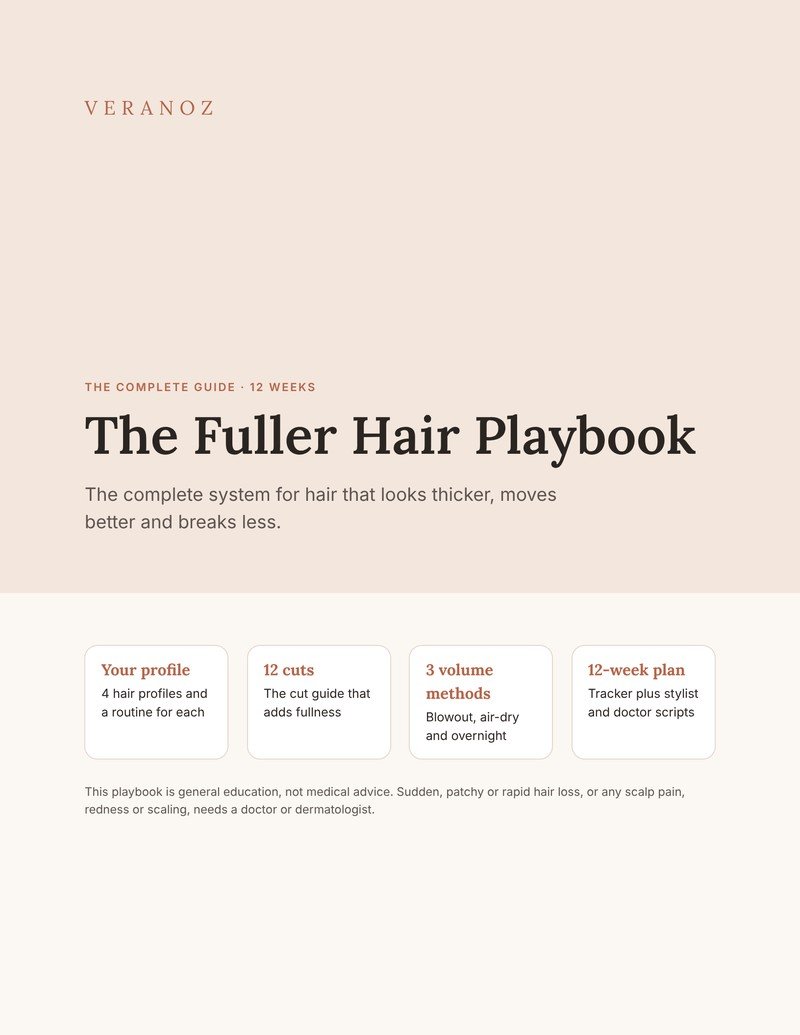
The Fuller Hair Playbook
Your hair profile, 12 cuts that add fullness, three volume methods, camouflage and color tricks, a weekly anti-breakage routine, scripts for your stylist and doctor, and a 12-week tracker. Instant access.
See the Playbook ($19) →Frequently Asked Questions
What are the best bangs with medium hair?
Soft, movable bangs: curtain bangs, side-swept bangs, wispy bangs or a softened blunt fringe. Curtain bangs are the easiest first choice because they suit most face shapes and grow out gracefully.
Can bangs soften forehead lines?
Soft bangs can, by framing the eyes and softening forehead lines. Heavy, harsh bangs can do the opposite, so the shape and weight matter more than bangs themselves.
Are curtain bangs good for round faces?
Yes, if they’re cut long enough to end at or below the cheekbones. They create vertical lines that break up width. Avoid short, full blunt bangs.
Can I get bangs if my hair is thinning?
Often, yes. Choose light, wispy or long curtain bangs from a shallow section, so they don’t borrow hair from the crown. If you’re losing hair, see a dermatologist too.
How often do bangs need trimming?
Usually every three to five weeks. Many salons offer quick bang trims between full haircuts.
How do I keep my bangs from getting greasy?
Use lightweight, non-comedogenic products, keep oils off the fringe, use a little dry shampoo at the roots, and wash just your bangs on in-between days.
Should bangs be cut wet or dry?
Many stylists cut bangs dry, or finish them dry, to see how they really fall. For wavy and curly hair, a dry cut is especially important.
Sources: American Academy of Dermatology, Tips for healthy hair; American Academy of Dermatology, Hair loss: Tips for managing; American Academy of Dermatology, Are your hair care products causing breakouts?; MedlinePlus (NIH), Hair and nail changes over time. Styling guidance reflects common professional stylist recommendations; Veranoz has not tested every product listed. See a dermatologist for hair loss or a changing hairline.
Get the Free Self-Care Reset Kit
Daily, weekly and monthly self-care checklists, the everything shower order, a 3-hour at-home spa day plan and a 30-day reset tracker. Free printable, instant access.
The Veranoz 30-Day Glow-Up Planner
Routines only work when you actually keep them. The planner gives you daily planning pages, weekly resets and habit trackers so your skincare, body care and self-care steps become automatic instead of something you remember once in a while.
Veranoz Guides to Go Deeper
Some links on Veranoz are affiliate links; we may earn a commission at no extra cost to you. This content is informational and not medical advice.