


A dark bikini line is common and usually harmless, and you can lighten it safely by cutting down friction and hair-removal irritation, then using gentle brighteners such as azelaic acid, niacinamide or alpha-arbutin on the outer skin only. Expect the first visible change after about 8 to 12 weeks and a clearer difference over 3 to 6 months. Skip lemon, baking soda, toothpaste and unregulated bleaching creams. They burn this thin skin and can make it darker. If the skin is velvety, thick or itchy, or darkened suddenly, see a doctor first.
Free: the Dark Spot Fade Plan
Find out which kind of spot you have, protect it from getting darker and follow a simple 12-week plan with a photo tracker.
Free. You will also get a few short emails with tips and offers. Unsubscribe anytime. Privacy policy.
Is a darker bikini line normal?
Yes. For most people the skin of the groin, inner thighs and bikini crease is naturally a shade or two darker than the rest of the body. Hormones play a part, which is why the area often darkens during pregnancy, and medium and deep skin tones tend to show more contrast. A naturally darker area doesn’t need treating at all. What people usually want to fade is the extra darkness on top of that: patches and dots left by shaving bumps, ingrown hairs, rubbing and rashes. That extra layer is pigment produced in response to irritation, and it is the part that responds to care.
What is making yours darker
Work out which of these apply, because the cause decides the fix:
- Hair removal. Shaving against the grain, dull blades, waxing and plucking all inflame hair follicles. Every red bump can leave a small brown dot behind, and lots of them blend into a dark band along the line.
- Ingrown hairs. Curly or coarse hair curls back into the skin, causes a bump, and leaves a mark that can last for months. More on this in our guide to ingrown hair scars and dark spots.
- Friction. Tight underwear seams, leggings, cycling shorts and skin rubbing on skin keep the area mildly irritated all day.
- Moisture and rashes. Sweat and wet swimsuits trap heat in the crease. Fungal rashes and irritation in skin folds often leave darker skin after they clear.
- Products. Fragranced washes, wipes, deodorants and harsh home remedies can cause a low-level contact rash that leaves pigment behind.
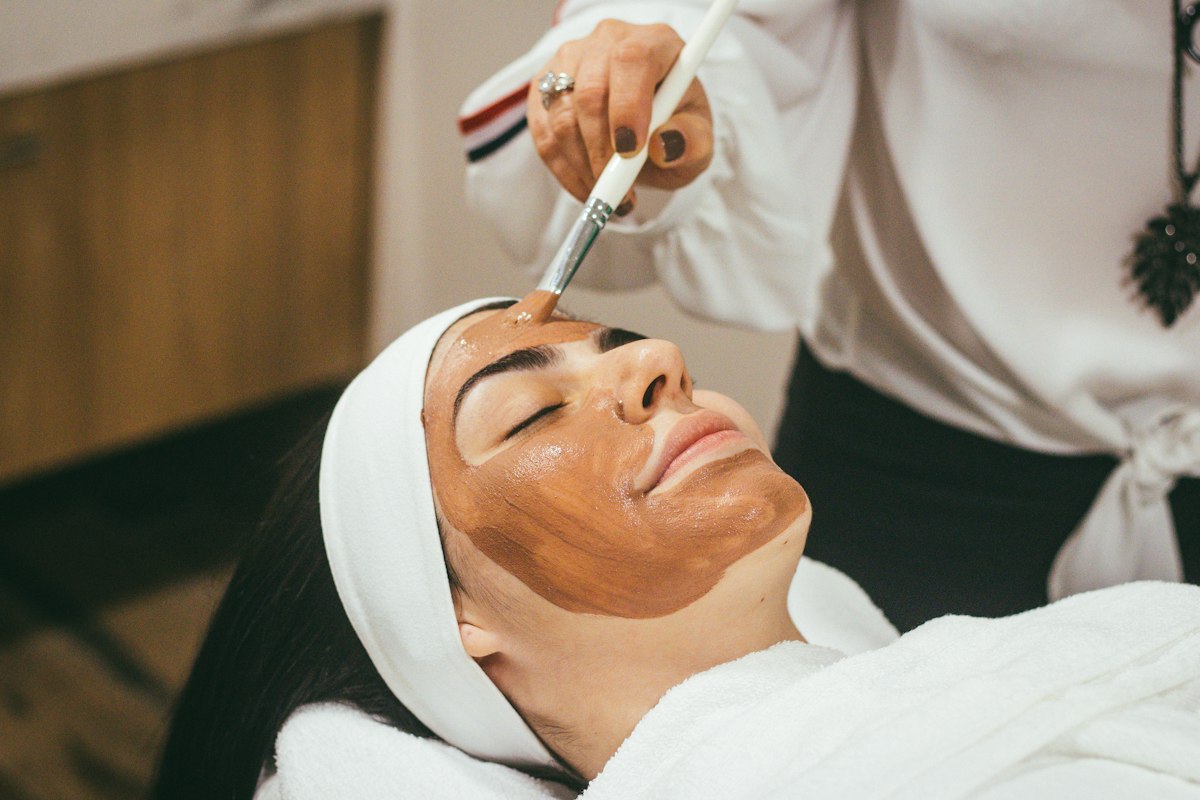
Hair removal methods compared
Since hair removal drives so much of the problem, changing how you do it is often the single biggest improvement you can make.
| Method | Irritation and ingrown risk | Tips for this area |
|---|---|---|
| Trimming with clippers | Lowest | Leaves a little length, so hairs rarely curl back in. The best option while you’re fading marks. |
| Shaving | Medium to high | Fresh blade, shaving gel, shave with the direction of growth, no stretching the skin, rinse the blade often. |
| Waxing or sugaring | Medium | Go to someone experienced, avoid it on broken or freshly treated skin, and skip acids for a few days before and after. |
| Hair removal creams | Varies, can sting | Use a formula made for the bikini area, patch test first, and never leave it on longer than the label says. |
| Laser hair removal | Low over time | Cuts down ingrown hairs long term. On deeper skin tones, choose a clinic that uses a laser suited to darker skin, such as Nd:YAG. |
Whatever you choose, give the skin a break between sessions and stop any method that leaves you with a crop of red bumps every time.
Brighteners gentle enough for the bikini line
This skin is thinner and more reactive than the skin on your legs or arms, so pick from the mild end of the brightening list and use just one or two at a time:
- Azelaic acid, 10% over the counter. Fades pigment and calms bumps from follicles, so it suits shaving marks well.
- Niacinamide, 4% to 5%. Very well tolerated and helps even out tone.
- Alpha-arbutin, about 1% to 2%, or licorice root extract, often found in body serums.
- Lactic acid, around 5% to 10%, once or twice a week at most, for gentle exfoliation. Stronger acids and scrubs are too much here.
Apply them only to the outer skin of the bikini line and crease, never to the inner, moist skin of the genitals. Hydroquinone and prescription retinoids can help some people, but use them here only under a dermatologist’s guidance. Avoid any cream with no clear ingredient list, especially imported skin-lightening products, which have been found to contain mercury or strong steroids.
Choosing a Brightening Treatment
Pick a serum or cream that combines two or more proven brighteners: alpha-arbutin, niacinamide, azelaic acid, vitamin C, licorice root extract or tranexamic acid. Skip unregulated bleaching creams and anything that stings. Apply to clean, dry skin, moisturize on top, and protect the area from sun and friction. Expect visible fading around 8–12 weeks, and see a dermatologist if a spot changes, bleeds or looks different from the others.
A gentle weekly routine
- Patch test first. Put any new product on your inner arm for 2 or 3 days, then on a small patch of the bikini line for a few more. Stop if it burns, itches or turns red.
- Wash with a plain, fragrance-free cleanser and pat dry, especially the crease.
- Apply your brightener once a day on clean, dry skin, in a thin layer. Evening is easiest.
- Moisturize on top with a fragrance-free lotion or a light barrier cream to cut friction.
- Exfoliate once or twice a week with a mild lactic acid lotion on nights you don’t use other actives, and never right after hair removal.
- Wear breathable cotton underwear with soft edges, and change out of sweaty clothes and wet swimsuits soon.
- Use sunscreen on exposed skin at the beach or pool, since sun darkens existing marks.
- Take a photo every 4 weeks in the same light to see real progress.
Dermefface FX7 — Scar Reduction Therapy
If your dark marks came from ingrown hairs, acne, or irritation that also left texture changes, Dermefface FX7 addresses the scar-tissue side while your brightening routine handles the discoloration.
Free: the Dark Spot Fade Plan
Find out which kind of spot you have, protect it from getting darker and follow a simple 12-week plan with a photo tracker.
Free. You will also get a few short emails with tips and offers. Unsubscribe anytime. Privacy policy.
When a dark bikini line needs a doctor
Most bikini-line darkness is irritation pigment, but some causes need medical care rather than brightening creams:
- Velvety, thickened dark skin in the groin, armpits or neck can be acanthosis nigricans, which is linked to insulin resistance. A doctor can check your blood sugar, and treating the cause is what lightens the skin.
- A red or brown rash with a clear edge, itching or scaling may be a fungal or bacterial infection that needs the right treatment.
- Painful, recurring lumps in the groin can be hidradenitis suppurativa, which needs a dermatologist.
- A single spot that is new, growing, changing colour, bleeding or different from the others should be checked, using the ABCDE warning signs for moles.
- Darkening during pregnancy is common and often fades after the baby arrives. Ask your doctor or midwife before using any brightener, and avoid retinoids and hydroquinone.
How long lightening takes
Your skin sheds and replaces its outer layer gradually, so pigment fades in stages. With gentler hair removal and a daily brightener, most people notice the area looking a little more even after about 8 to 12 weeks. Older, deeper marks and darker skin tones usually take 3 to 6 months or more. Expect lighter, not erased: the goal is to remove the extra irritation darkness, not to change your natural colour. If you also have dark inner thighs from rubbing, the same habits help there; see how to lighten dark inner thighs.
Aftercare on hair removal days
The first 24 to 48 hours after shaving or waxing are when follicles are most inflamed, so what you do then decides whether bumps turn into marks. Rinse with cool water, pat dry and apply a plain, fragrance-free moisturizer or aloe gel without alcohol. Leave brighteners and acids off for a day or two, and skip hot baths, saunas, workouts in tight shorts and swimming pools for the rest of that day if you can. Wear loose cotton underwear that night. If a few bumps appear anyway, leave them alone rather than squeezing or tweezing, since digging at an ingrown hair is one of the fastest ways to leave a dark spot that lasts for months. A warm compress for a few minutes can help a trapped hair work its way out on its own. Once the skin has settled, you can go back to your usual routine.
Mistakes that make it darker
- Scrubbing hard with loofahs, sugar scrubs or baking soda.
- Using lemon juice, toothpaste or hydrogen peroxide on the skin.
- Shaving every day over bumps that haven’t healed.
- Layering several acids and brighteners at once, then getting a rash.
- Putting deodorant or perfume on the area.
- Quitting at week four because the change is still small.
Get the Free 7-Day Glow-Up Checklist
One simple beauty and self-care habit per day — everything shower, body care, hair, nails, fragrance, and your Sunday reset ritual. Free PDF, instant access.
Veranoz Guides to Go Deeper
Bikini Line Questions
Can I make my bikini line lighter in a week?
Not safely. Anything strong enough to change pigment in a week is strong enough to burn this skin, and burns leave darker marks. Calming the irritation can make the area look less red and blotchy quickly, but real fading takes weeks to months.
Is it safe to use a face serum on the bikini line?
Often yes, if it is a gentle formula with niacinamide, azelaic acid or alpha-arbutin and no strong acids or retinol. Patch test it first and keep it off the inner, moist skin.
Does laser hair removal lighten the bikini line?
Indirectly. It doesn’t remove pigment, but by cutting down on shaving bumps and ingrown hairs it stops new dark marks from forming, so the area evens out over time.
Why is the crease darker than the rest of the bikini line?
The crease gets the most rubbing, sweat and trapped moisture, so it stays irritated more of the time. Keeping it dry, using a light barrier cream and choosing soft-edged underwear usually helps.
Should I see a dermatologist for a dark bikini line?
See one if the skin is velvety or thick, if it itches or scales, if you have painful lumps, if one spot looks different, or if three months of a gentle routine hasn’t helped. A dermatologist can also offer prescription creams and peels suited to sensitive areas.
The Veranoz Glow-Up Collection
Six guides in one library: a 30-day planner, the complete retinol plan, a retinol routine kit, the fuller-hair playbook, a body care guide and a Sunday ritual guide, plus a free self-care reset kit. $108 of guides for $47.
Affiliate disclosure: This post contains affiliate links. We earn a commission if you purchase through our links at no extra cost to you. Individual results vary. This content is informational and not medical advice — consult your healthcare provider.