

Disclosure: As an Amazon Associate, Veranoz earns from qualifying purchases. We may earn a commission if you buy through links in this post, at no extra cost to you.
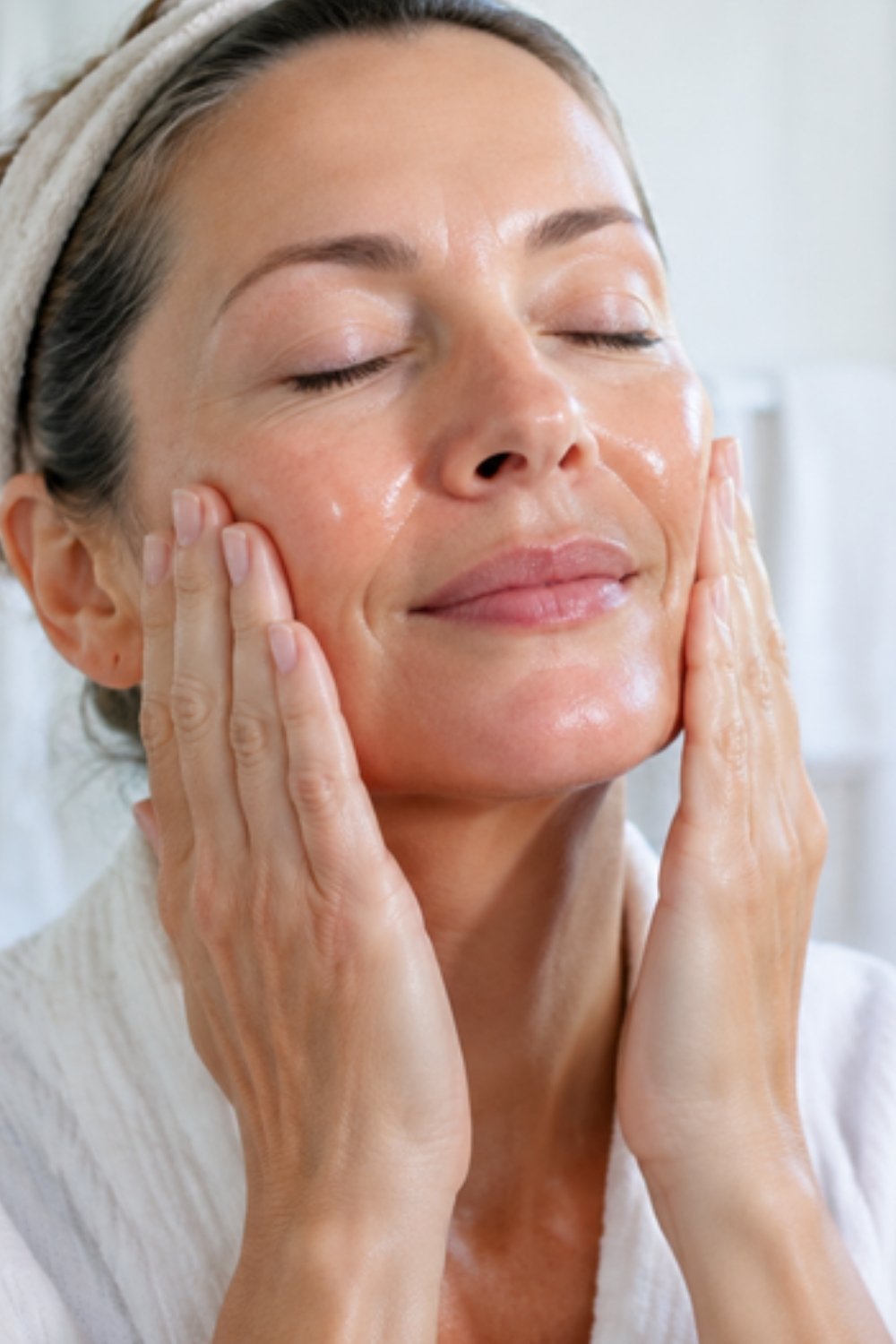
A hydrating skincare routine does two jobs: it adds water to the skin and then stops that water from escaping. In practice that means a gentle, non-stripping cleanser, a water-binding serum (glycerin or hyaluronic acid) pressed onto damp skin, a moisturizer on top to seal it in, and sunscreen in the morning. If your skin feels tight, looks dull or shows more fine lines by afternoon even though it isn’t flaky, it’s probably dehydrated rather than dry, and this routine is built for exactly that.
Free: the 12-Week Retinol Starter Plan
Which retinoid to pick, a night-by-night 12-week ramp-up calendar, how to tell purging from irritation and a printable progress tracker.
Free. You will also get a few short emails with tips and offers. Unsubscribe anytime. Privacy policy.
Below you’ll learn how to tell dehydrated skin from dry skin, why skin over 40 loses water more easily, the morning and night routine step by step, which ingredients actually hydrate, the everyday habits that quietly dehydrate skin, and a 4-week plan to get your skin feeling comfortable again.
The Real Problem
Most women reach for a heavier cream when skin feels tight, and sometimes that helps. But if the real issue is a lack of water (dehydration) rather than a lack of oil (dryness), a rich cream on top of stripped, thirsty skin can feel greasy and still leave skin looking dull. On top of that, skin changes after 40: MedlinePlus notes that the outer layer thins and oil glands make less oil, especially after menopause, so water escapes more easily. Hydration needs a two-step approach: put water in, then hold it there.
Short Answer
Morning: rinse or gentle cleanse → hydrating serum on damp skin → moisturizer → broad-spectrum SPF 30+. Night: gentle cleanse → hydrating serum on damp skin → treatment if you use one → richer moisturizer (and a thin occlusive on very dry spots). Habits: lukewarm water, 5 to 10 minute showers, moisturize within minutes of washing, a humidifier in dry months, and fewer harsh actives. Give it 2 to 4 weeks.

The Winter Dry Skin Rescue Plan
Winter shower rules, a face routine for dry skin over 40, mini-routines for hands, lips and heels, an ingredient cheat sheet and a 14-day rescue checklist.
Send me the free plan →In This Guide
Dehydrated Skin vs Dry Skin
These two are often used interchangeably, but they’re different problems with slightly different fixes. Dry skin is a skin type that lacks oil (lipids). Dehydrated skin is a condition that lacks water, and any skin type can have it, including oily skin.
| Dehydrated skin | Dry skin | |
|---|---|---|
| What’s missing | Water | Oil (lipids) |
| How it feels | Tight, especially after cleansing; may still get oily | Rough, tight, itchy most of the time |
| How it looks | Dull, fine lines more visible, makeup looks flat | Flaking, scaling, rough patches, sometimes cracking |
| Can oily skin have it? | Yes (oily and dehydrated is common) | No; dry skin makes too little oil |
| Comes and goes? | Often; worse with weather, travel, harsh products | More constant; often increases with age and menopause |
| Main fix | Humectants on damp skin, then a moisturizer to seal | Richer emollient creams and occlusives |
Many women over 40 have both: drier skin overall, plus dehydration on top. That’s why this routine combines water-binding steps with a good moisturizer. If your main problem is persistent flaking, itching or cracking, see our free winter dry skin plan and, if it doesn’t improve, a board-certified dermatologist; the AAD notes ongoing dryness can be linked to conditions such as eczema (atopic dermatitis), psoriasis or kidney disease.
A simple at-home check: wash your face with a gentle cleanser, pat dry and wait 30 minutes without applying anything. Tight but shiny in the T-zone usually means dehydrated (possibly combination) skin. Tight, rough and flaky all over usually means dry skin. Tight and fine lines that soften as soon as you apply a hydrating serum points to dehydration.
Why Skin Loses Water More Easily After 40
- Less oil. MedlinePlus explains that sebaceous glands produce less oil with age, with women’s output declining gradually after menopause. Skin oils are part of the barrier that slows water loss, so less oil means more evaporation.
- Thinner skin. The epidermis thins with age, which can make skin more fragile and easier to irritate.
- Cumulative stripping. Years of foaming cleansers, hot showers, scrubs and strong actives can leave the barrier less able to hold water.
- Environment. Low humidity from winter heating, air conditioning and air travel pulls water from the skin surface.
- Active ingredients. Retinoids, exfoliating acids and benzoyl peroxide are useful, but drying, especially when you start them or use several at once.
How Hydration Actually Works: Humectants, Emollients, Occlusives
Every hydrating product uses some mix of three types of ingredients. Understanding them is the key to layering correctly.
| Type | What it does | Examples | Where in your routine |
|---|---|---|---|
| Humectants | Attract and bind water | Glycerin, hyaluronic acid, panthenol, urea, sorbitol, honey | Toners, essences, serums, many moisturizers |
| Emollients | Smooth rough spots and soften skin | Dimethicone, squalane, plant oils, fatty alcohols | Moisturizers, face oils |
| Occlusives | Form a seal that slows water loss | Petrolatum, lanolin, mineral oil, dimethicone, shea butter | Richer creams, balms, last step at night |
Harvard Health explains the catch with humectants: they draw water up from the deeper skin (and from the air when it’s humid), but on their own, in dry air, they can make skin feel drier by pulling water into a damaged outer layer. That’s why they’re usually paired with occlusives. The rule for a hydrating skincare routine is simple: humectant first, then something to seal it in.
The AAD’s list of ingredients to look for in moisturizers for dry skin includes jojoba oil, dimethicone, glycerin, hyaluronic acid, lactic acid, lanolin, mineral oil, petrolatum and shea butter, a good mix of all three types.
Morning Hydrating Skincare Routine
The Cleveland Clinic’s dermatologist-recommended morning order is cleanser, serum, moisturizer, sunscreen, layered from thinnest to thickest. Here’s the hydrating version.
- Rinse or gentle cleanse. If your skin is dehydrated, a splash of lukewarm water is often enough in the morning. If you prefer to cleanse, use a cream or lotion cleanser that doesn’t foam much. Pat dry, leaving skin slightly damp.
- Hydrating serum or essence on damp skin. A few drops of a glycerin or hyaluronic acid serum, pressed in with your palms. One hydrating product is enough.
- Antioxidant (optional). If you use a vitamin C serum, it goes here. Cleveland Clinic’s Dr. Sean McGregor notes vitamin C reinforces sunscreen but doesn’t replace it.
- Moisturizer. A lotion or gel-cream if your skin gets shiny; a cream if it’s dry. This is the step that keeps the water you just added from evaporating.
- Sunscreen. The AAD recommends broad-spectrum, water-resistant SPF 30 or higher, applied before you go outdoors and reapplied every two hours when you’re outside. A moisturizing sunscreen can sometimes replace step 4 on oilier skin.
If makeup pills over your hydrating layers, use less serum and moisturizer, press rather than rub, and give each layer a minute. Our guide to skincare routine order covers this in detail.
Night Hydrating Skincare Routine
- Remove sunscreen and makeup gently. A cleansing balm or oil followed by a gentle cream cleanser works well if you wear long-wear makeup. Otherwise one gentle cleanse is enough.
- Hydrating serum on damp skin. Same as the morning.
- Treatment (if you use one). Retinoids and exfoliating acids are fine in a hydrating routine, but they’re drying, so use them only a few nights a week while your skin recovers. Many people apply them after the hydrating serum has absorbed, or “sandwich” a retinoid between thin layers of moisturizer. Skip retinoids if pregnant, trying to conceive or breastfeeding.
- Richer moisturizer. Night is the time for a cream with ceramides, shea butter or squalane. Use more on the cheeks and around the mouth, where skin tends to be driest.
- Occlusive on dry spots (optional). A thin layer of petrolatum or a barrier balm on very dry patches, the corners of the nose or around the eyes. Harvard Health calls petrolatum the most effective ingredient at holding water in.
If you’re new to retinoids, our retinol after 40 beginner routine explains how to start slowly so dehydration doesn’t flare.
Related ReadOur Barrier Cream Guide for Dry, Sensitive SkinThe Damp-Skin Method (the Biggest Upgrade)
If you change only one thing, change when you apply your products. The AAD recommends applying moisturizer while skin is still damp after washing, and Harvard Health explains why: oil on its own can’t fix dryness unless the skin is also resupplied with water.
- Cleanse or rinse with lukewarm water.
- Pat gently with a towel, leaving skin slightly damp, not dripping.
- Within a minute or two, press in your hydrating serum.
- Follow immediately with moisturizer to seal it in.
That’s it. Many women notice their skin feels more comfortable within days, simply because the moisturizer is now trapping water instead of sitting on dry skin.
Free: the 12-Week Retinol Starter Plan
Which retinoid to pick, a night-by-night 12-week ramp-up calendar, how to tell purging from irritation and a printable progress tracker.
Free. You will also get a few short emails with tips and offers. Unsubscribe anytime. Privacy policy.
Hydrating Ingredients Guide
| Ingredient | Type | Good for | Notes |
|---|---|---|---|
| Glycerin | Humectant | Almost everyone | Inexpensive, well tolerated, in many moisturizers |
| Hyaluronic acid | Humectant | Dehydrated, oily-dehydrated skin | Apply on damp skin and seal with moisturizer, especially in dry air |
| Panthenol (pro-vitamin B5) | Humectant | Sensitive, irritated skin | Often in soothing serums and creams |
| Urea (low %) | Humectant | Rough, dry patches | Higher percentages exfoliate and can sting on the face |
| Ceramides | Barrier lipid | Dry, mature, barrier-damaged skin | Look for them in night creams |
| Squalane | Emollient | Dry skin, under makeup in small amounts | Light, non-greasy oil |
| Dimethicone | Emollient / occlusive | Oily and dry skin | Smooths texture; common in primers and sunscreens |
| Shea butter | Occlusive / emollient | Very dry skin | Richer; better at night |
| Petrolatum | Occlusive | Very dry spots, overnight | Most effective at sealing water in; use thinly |
| Lactic acid (low %) | Gentle exfoliant / humectant | Dull, rough dry skin | Use a few times a week, not with other strong acids |
Fragrance is worth avoiding if your skin is dehydrated or sensitive. The AAD advises choosing products labeled “fragrance-free” rather than “unscented,” which may still contain masking fragrance chemicals.
Related ReadBest Serum for Glowing Skin: What to ChooseAdjusting the Routine for Your Skin Type
Oily but dehydrated
- Gentle gel cleanser, not a stripping foam.
- A light hyaluronic acid or glycerin serum, then a gel-cream moisturizer.
- Skip heavy occlusives on the T-zone; use them only on dry patches.
- Oil-blotting during the day instead of extra cleansing.
Dry and dehydrated (most common after 40)
- Cream cleanser or just water in the morning.
- Hydrating serum on damp skin, then a cream with ceramides.
- A richer cream or a thin occlusive at night.
- See our guide to the best moisturizer for women over 40 for textures.
Sensitive and dehydrated
- Fewer products: cleanser, one hydrating serum, a fragrance-free moisturizer, mineral sunscreen.
- Pause exfoliating acids until skin feels calm.
- Add one new product at a time and give it two weeks.
Everyday Habits That Dehydrate Skin (and the Swap)
| Habit | Why it dehydrates | Swap it for |
|---|---|---|
| Long, hot showers | Hot water strips the fats that help skin hold water | 5 to 10 minutes, warm water, door closed (AAD) |
| Foaming or “squeaky clean” cleansers | Remove too much of the skin’s own lipids | Cream, lotion or gentle gel cleanser |
| Rubbing with a towel | Irritates already dry skin | Pat gently and leave skin slightly damp |
| Moisturizing much later | Water evaporates before you seal it in | Serum and moisturizer within a few minutes |
| Several actives at once | Retinoids, acids and scrubs together can damage the barrier | One active at a time, a few nights a week |
| Over-exfoliating | Strips the outer layer that holds water | Exfoliate gently, at most a couple of times a week |
| Dry indoor air | Low humidity pulls water from skin | Humidifier in the bedroom; clean it regularly (AAD) |
| Fragranced products | Can irritate and worsen dryness | “Fragrance-free” labels |
| Skipping sunscreen in winter | UV still damages the barrier | Broad-spectrum SPF 30+ year-round |
How often you exfoliate matters a lot for dehydrated skin. Our guide on how often to exfoliate your face breaks it down by skin type.
What about drinking more water?
Staying well hydrated matters for your overall health, and true body dehydration (from illness, heat or not drinking enough) can show in the skin. But for most healthy adults, the bigger, faster difference to how facial skin feels comes from the routine on the outside: gentler cleansing, humectants on damp skin and a moisturizer to seal them in.
A 4-Week Hydration Reset
| Week | Focus | What to do |
|---|---|---|
| 1 | Stop the stripping | Switch to a gentle cleanser, lukewarm water, shorter showers. Pause scrubs and strong acids. |
| 2 | Add water | Add one hydrating serum on damp skin, morning and night. Moisturize within minutes of washing. |
| 3 | Seal it in | Upgrade your night cream if skin still feels tight; add a thin occlusive on dry patches. Run a bedroom humidifier if the air is dry. |
| 4 | Reintroduce actives slowly | Bring back one active (retinoid or gentle acid) two or three nights a week, after your hydrating serum. Skip retinoids if pregnant, trying to conceive or breastfeeding. |
By the end of the month, your skin should feel comfortable after cleansing and look less dull. If it still feels tight, stings with most products or flakes despite all this, book a visit with a board-certified dermatologist.
Related ReadHow to Refresh Dull Looking Skin NaturallyHydrating Skincare Products Worth Having
You only need four or five product types. Choose by texture and skin feel, not by price or hype.
Gentle Hydrating Cleanser
A cream or lotion cleanser that leaves skin soft rather than squeaky is the foundation of any hydrating routine.
Check on Amazon →Hyaluronic Acid or Glycerin Serum
Press onto damp skin, then seal with moisturizer. One hydrating serum is plenty.
Check on Amazon →Ceramide Moisturizer
Ceramides and humectants together help skin feel comfortable longer. Use more at night.
Check on Amazon →Moisturizing Sunscreen SPF 30+
A creamy, broad-spectrum sunscreen keeps your morning routine short and adds a final hydrating layer.
Check on Amazon →Healing Ointment or Barrier Balm
A thin layer over moisturizer at night locks water in. A little goes a long way.
Check on Amazon →Bedroom Humidifier
The AAD suggests a portable humidifier in the bedroom while you sleep. Clean it regularly to prevent mold.
Check on Amazon →Hydrating Skincare Routine Checklist
- Gentle, non-foaming cleanser; lukewarm water
- Pat dry and leave skin slightly damp
- One hydrating serum (glycerin or hyaluronic acid) on damp skin
- Moisturizer within a few minutes to seal it in
- Broad-spectrum SPF 30+ every morning
- Richer cream at night; thin occlusive on dry spots
- One active at a time, a few nights a week
- Showers 5 to 10 minutes, warm not hot
- Fragrance-free products
- Humidifier in dry months
- Persistent dryness or itching? See a board-certified dermatologist
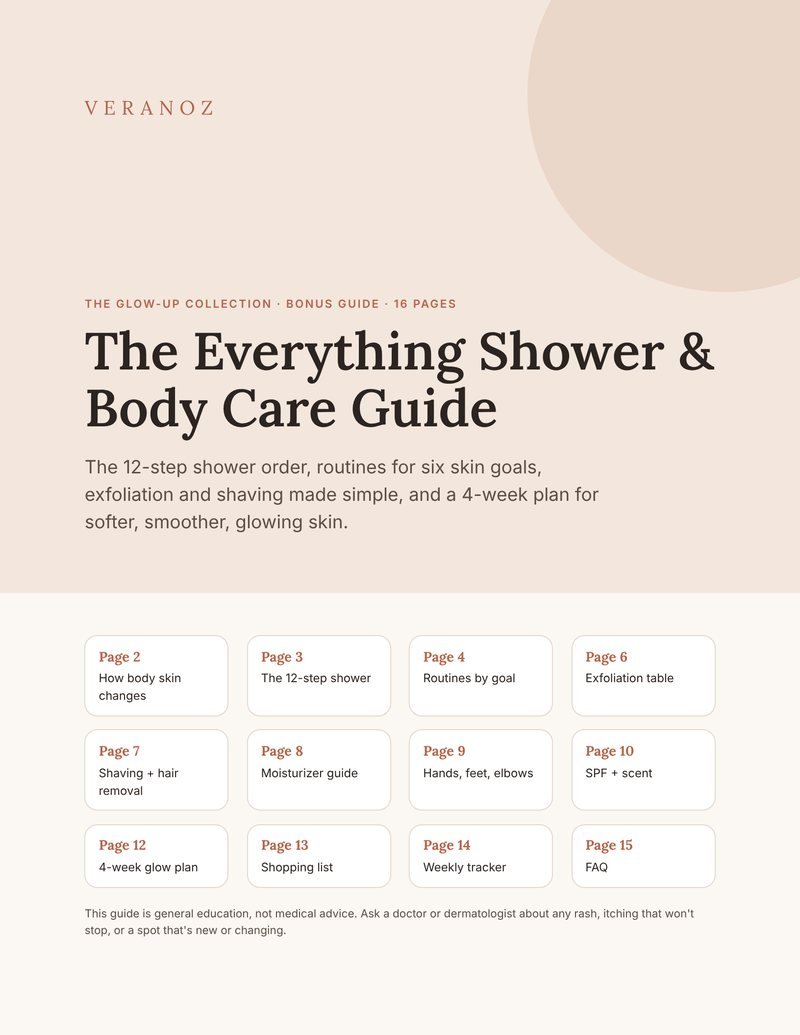
The Everything Shower & Body Care Guide
The 12-step shower order, routines for dry, crepey, bumpy or breakout-prone body skin, exfoliation and moisturizer guides, hands, feet and body SPF, and a 4-week body glow plan. 16 printable pages, instant access.
Get the Guide ($17) →Frequently Asked Questions
What is a good hydrating skincare routine?
Gentle cleanser, a hydrating serum with glycerin or hyaluronic acid on damp skin, a moisturizer to seal it in, and sunscreen in the morning. At night, swap sunscreen for a richer moisturizer and add a thin occlusive on very dry spots.
How do I know if my skin is dehydrated or dry?
Dehydrated skin lacks water: it feels tight, looks dull and shows fine lines, and can still be oily. Dry skin lacks oil: it’s rough, flaky or itchy most of the time. Many women over 40 have both.
Can oily skin be dehydrated?
Yes. Oily skin can lack water, especially if you use stripping cleansers or drying acne treatments. Use a gentle cleanser, a light humectant serum and a gel-cream moisturizer.
Should I apply hyaluronic acid on wet or dry skin?
On slightly damp skin, then seal it with a moisturizer. Humectants pull in water, and Harvard Health notes that without something on top in dry air, they can leave skin feeling drier.
How long does it take to fix dehydrated skin?
Many people feel a difference within days of switching to a gentler cleanser and moisturizing on damp skin. Give a new routine 2 to 4 weeks before judging it.
Can I use retinol in a hydrating skincare routine?
Yes, but slowly. Use it a few nights a week after your hydrating serum, follow with moisturizer, and don’t combine it with other strong actives the same night. Skip retinoids if pregnant, trying to conceive or breastfeeding.
Does a humidifier help dehydrated skin?
It can, especially in winter or dry climates. The AAD recommends a humidifier in the bedroom while you sleep and cleaning it regularly.
Sources: American Academy of Dermatology, Dermatologists’ top tips for relieving dry skin; Harvard Health Publishing, Moisturizers: Do they work?; MedlinePlus (NIH), Aging changes in skin; Cleveland Clinic, The right order to apply skin care products; American Academy of Dermatology, How to apply sunscreen; Medical News Today (medically reviewed), Dehydrated vs. dry skin. Veranoz has not tested every product listed. This guide is general information; see a board-certified dermatologist for persistent dryness, itching or irritation.
Get the Free Self-Care Reset Kit
Daily, weekly and monthly self-care checklists, the everything shower order, a 3-hour at-home spa day plan and a 30-day reset tracker. Free printable, instant access.
The Veranoz 30-Day Glow-Up Planner
Routines only work when you actually keep them. The planner gives you daily planning pages, weekly resets and habit trackers so your skincare, body care and self-care steps become automatic instead of something you remember once in a while.
Veranoz Guides to Go Deeper
Some links on Veranoz are affiliate links; we may earn a commission at no extra cost to you. This content is informational and not medical advice.